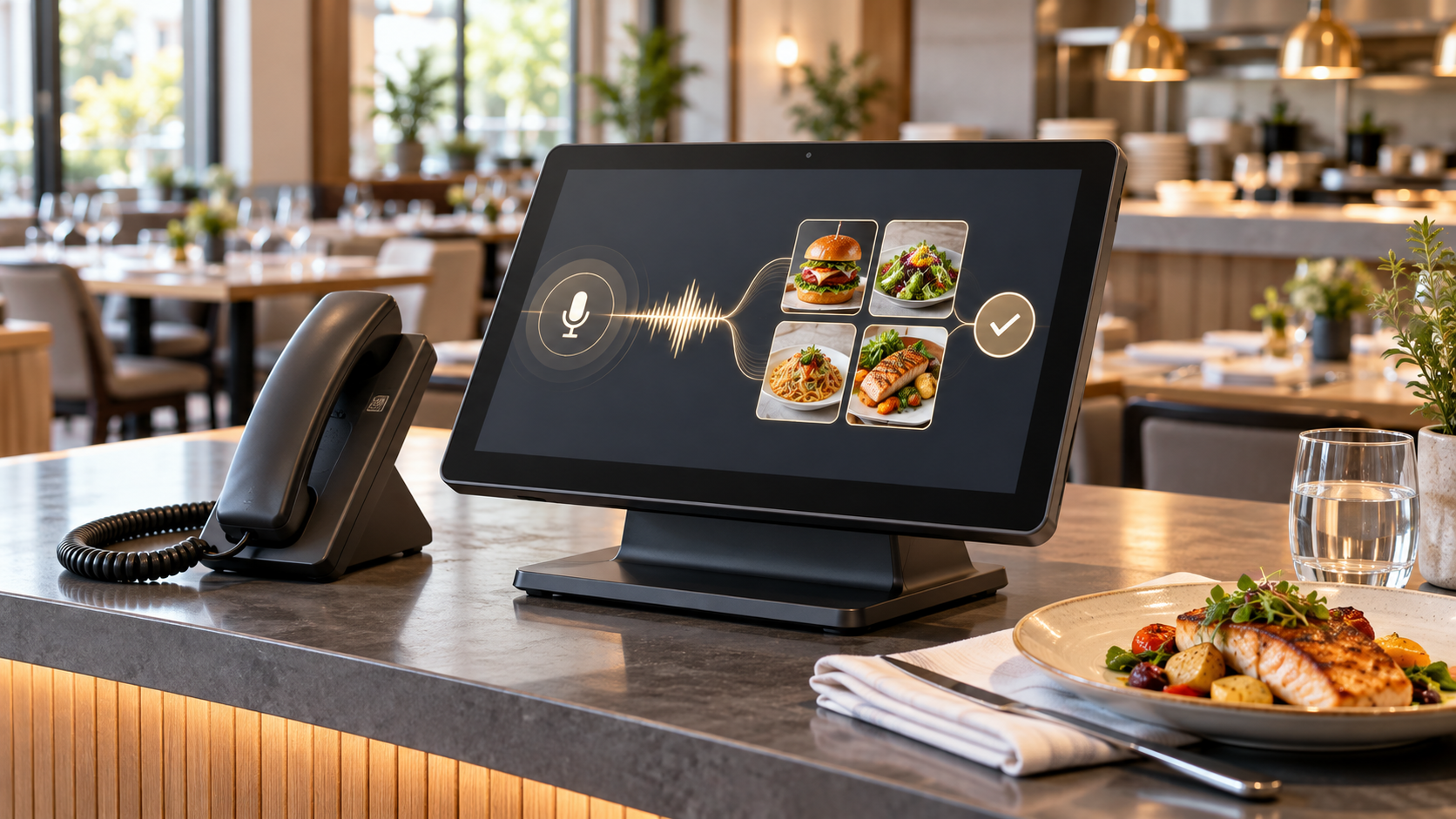
Pulling a staffer off the floor to answer the phone means the guest in front of them waits. Let it ring, and the order walks. Both choices cost you money, and both happen most when calls peak. Toast is great at closing the sale once someone answers, so the gap is simple: who's picking up when nobody can? Here's how the best AI voice agent for restaurants using Toast fills it.
TLDR:
It's 7:40 on a Friday. Tickets are stacking on your Toast KDS, your counter staff are heads-down building orders, and the phone keeps ringing with nobody free to reach it. That ring is a customer ready to order. When it goes unanswered, most of them don't try again.
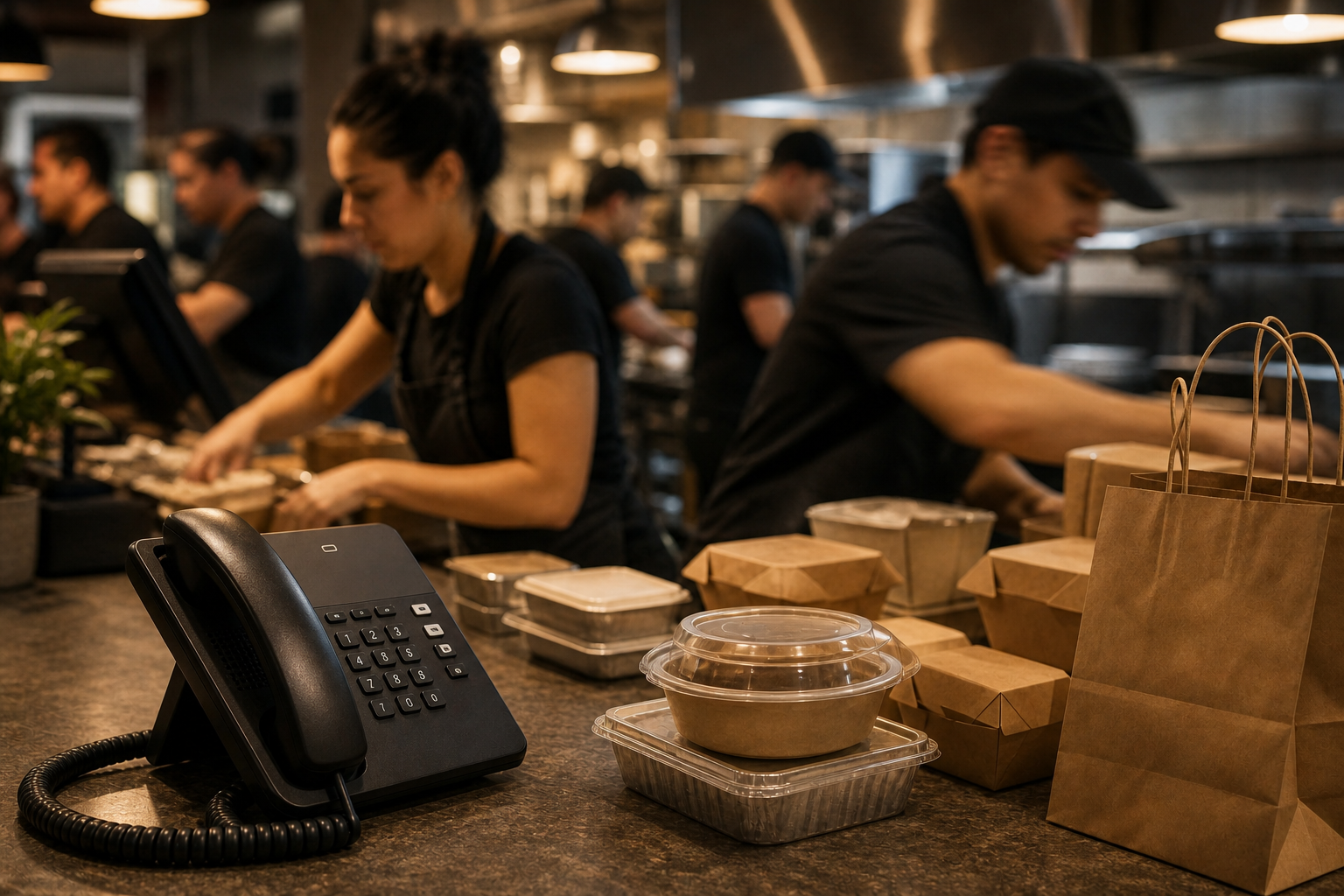
A QSR Magazine analysis by Loman CEO Christian Wiens estimates the average restaurant misses roughly 150 calls a month, which scales to roughly $20 billion a year in lost revenue across U.S. restaurants. The same analysis puts missed calls at roughly 32% between 5 and 8 p.m., contributing to missed calls draining restaurant revenue, and research frequently attributed to BIA/Kelsey suggests roughly 85% of callers do not call back after an unanswered call. The order you missed at 7:40 is gone by 7:42.
Here's the gap. Toast is built to handle the transaction. It rings up the sale, fires the ticket to the kitchen display system, and keeps your line moving. What it can't do is pick up the phone when your counter is slammed and every hand is already on a task.
So the call lands on a human who isn't free. You pull a staffer off the floor and the guest in front of them waits, or you let the phone ring and the order walks to the pizza shop down the street. Either choice costs money, and both happen most during the windows when phone volume peaks: lunch and dinner rush.
Toast closes the sale once someone answers. The question is who answers when nobody can.
A voice AI phone agent for Toast sits on top of Toast through a two-way connection. It reads your live Toast menu while the call is happening, then writes the confirmed order and payment straight back into Toast with no one re-keying a thing. Because Toast is built to take orders, the work that matters here is order-to-KDS flow, clean modifier groups and options, and taking the card before the caller hangs up.
| Capability | How it works with Toast | Operator benefit |
|---|---|---|
| Order taking | Orders push to Toast POS and KDS | Staff never re-key tickets |
| Real-time menu sync | Reads 86'd items, prices, specials live | Callers hear accurate info |
| Modifier capture | Stacked modifiers land clean on the ticket | Fewer wrong orders |
| In-call payment | Card charged during the call via Toast | Prepaid, faster pickup |
| Concurrent calls | Unlimited simultaneous calls answered at once | No busy signal at peak |
The agent pulls from your Toast menu as it talks. When your kitchen 86's the short-rib special at 8:15, it drops out of what the agent can offer once you mark it out of stock in Toast, part of how Loman's voice AI works with Toast. Price changes and new specials show up the same way. No caller gets quoted a dish that already sold out.
Order, modifiers, and card payment all clear into Toast, so the ticket hits the KDS exactly like a counter order, an example of Loman's AI receptionist with Toast. Take a prepaid pickup: the guest pays on the call, and when they walk in, there's no checkout line to wait through. They grab the bag and go.
Follow a single order from the greeting on. The phone rings, Loman answers right away, and the caller starts talking: a large pepperoni, half mushroom, extra crispy, plus a side of ranch, a routine case of AI restaurant phone agents preventing missed calls. Loman confirms each piece back, offers a drink or a dessert, and reads the live Toast menu to make sure every item is still available. When the caller's done, Loman takes the card right there on the line.
What leaves the call is one clean ticket. The pizza, the half-and-half split, the extra-crispy note, the ranch, and the payment all travel into Toast as a single order. Nothing sits in a separate queue for a staffer to type up later.
That ticket lands on the Toast kitchen display system the same way a counter order does. Every modifier, special request, and upsell shows up in the field a cashier would have used, with no re-keying. Your line cook reads it and starts building, with no idea the order came from a machine instead of the register, for more on how Toast handles orders, see our Toast POS review.
That's the part Crust Pizza owner Nick Haselidis pointed to. He reported that Loman paid for itself in 10 days, with calmer phones and bigger tickets (an operator-reported result, not an audited figure), a useful data point for anyone estimating the ROI of an AI phone agent. Loman's built-in upselling suggests add-ons on every call, and nobody has to stop building food to pick up the phone.
The math on a recaptured call is simple. By industry estimates, a phone order averages $48 against $41 for an online order, a premium that compounds across a busy week.
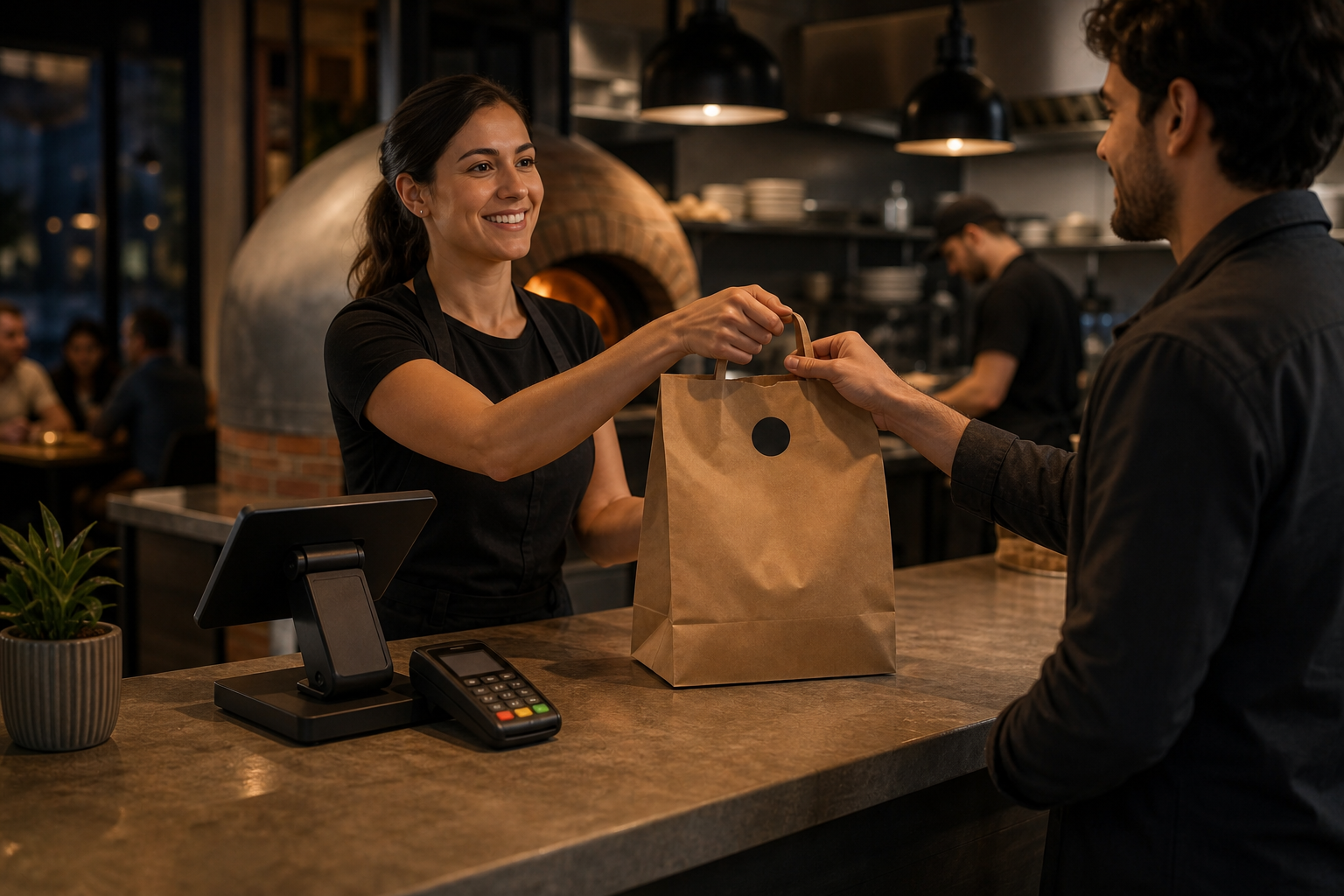
Every call Loman answers is an order that doesn't route through a delivery app, a direct result of tight restaurant AI POS integration. Third-party platforms charge independent restaurants commissions of 15% to 30% per order, on top of fees for premium placement, marketing, and payment processing, which can push all-in costs toward 30% to 40% per order by industry estimates. A direct phone order keeps that margin in your pocket. The higher ticket and the dodged commission work on the same order at the same time.
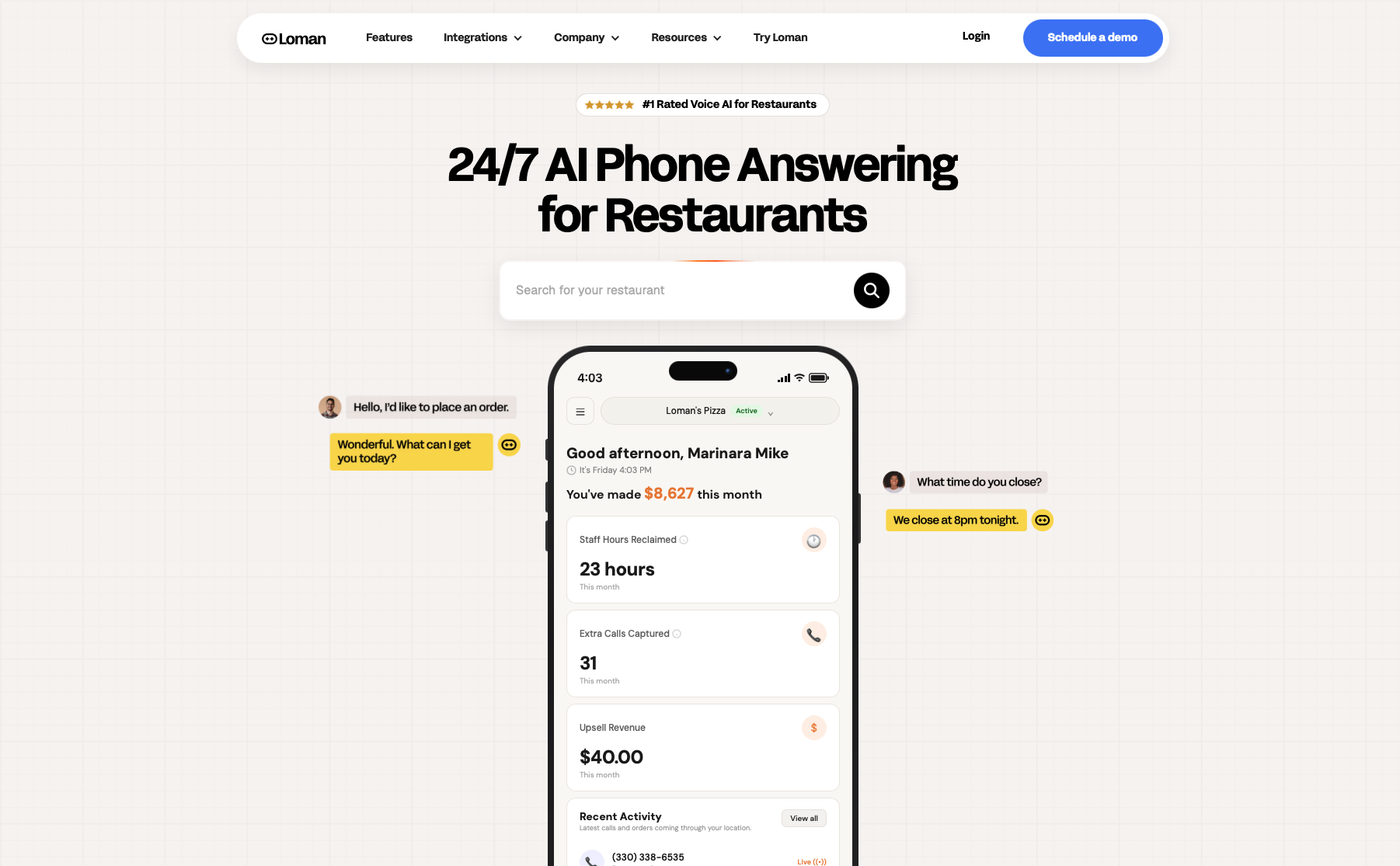
The up to 22% higher phone revenue and up to 17% lower labor costs that operators using Loman report, noted up top, are among the reasons Loman ranks with the best AI phone agents for Toast restaurants. These are operator-reported figures, not audited results, and your numbers depend on your call volume and average ticket.
The named outcomes read the same way. Tony Boloney's reports capturing 75 to 100 extra orders per month per location, a volume that adds up fast for a multi-unit operator. Little Italy reports cutting labor costs by more than 24% after adding Loman.
Put together, the phone channel stops leaking. Orders clear into Toast, tickets run bigger, and the line stays focused on the next rush instead of the ringing phone, showing how tight POS integration shapes restaurant workflow.
A restaurant voice AI agent like Loman takes complete orders and writes them back into Toast, where the ticket hits the KDS exactly like a counter order. It reads your live Toast menu mid-call, captures stacked modifiers clean, and charges the card during the call, so staff never re-key a thing.
Look for a restaurant-specific voice AI with a two-way Toast connection that reads your live menu and pushes confirmed orders and payments back into the POS without manual re-entry. Loman does this on Toast, including real-time 86'd-item sync and in-call card payment, and Crust Pizza owner Nick Haselidis reported it paid for itself in 10 days (an operator-reported result, not an audited figure).
It pulls from your live Toast menu as the call happens, so once you mark an item 86'd in Toast, it drops out of what the agent can offer. Price changes and new specials show up the same way, with no manual update step.
Yes. By industry estimates, a phone order averages $48 against $41 for an online order, and a direct call skips third-party commissions that run 15% to 30% per order (which can climb toward 30% to 40% all-in once placement, marketing, and processing fees stack on). The higher ticket and the dodged commission work on the same order at the same time.
Operator-reported results point to higher phone revenue and lower labor costs, with specifics varying by call volume and average ticket. These figures come from Loman customers generally, not restaurants running Toast specifically. Tony Boloney's reports capturing 75 to 100 extra orders per month per location, and Little Italy reports cutting labor costs by more than 24%.
Toast closes the sale. The gap is the phone at 7:40 on a Friday, when every hand is busy and the next order is already walking out the door. The best AI voice agent for restaurants using Toast supplements your Toast setup and replaces none of it. Loman, a voice AI phone agent built for restaurants, does that: it reads your live menu, takes the card on the call, and pushes a clean ticket to the KDS, so nobody re-keys an order and no caller hears about a dish that's already 86'd. Operators using Loman report up to 22% higher phone revenue and up to 17% lower labor costs, Crust Pizza's Nick Haselidis says it paid for itself in 10 days, and Tony Boloney's reports 75 to 100 extra orders per month per location (all operator-reported, not audited). Most restaurants go live in under 24 hours, with pricing starting at $199/month and no per-minute charges. The deciding factor is what you can verify before you commit, so book a Loman demo, call in, and hear it take a Toast order before your next dinner rush.
Enter your information in the form to receive a call from Loman and place an order like a customer would!

