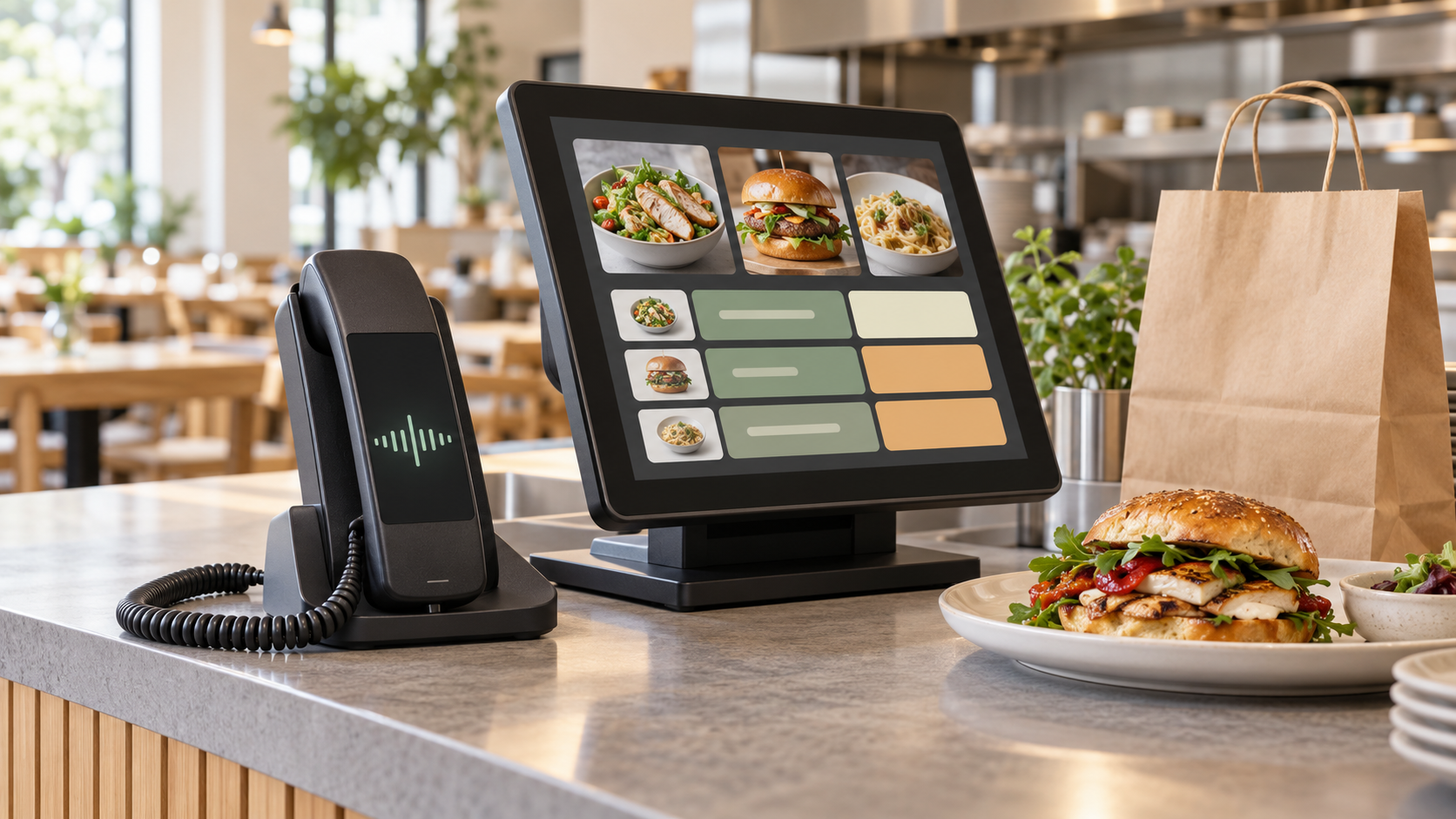
Your in-person volume is your strength, and it's also why the phone keeps slipping through the cracks. The same people who could answer are the ones ringing up the line in front of them, so calls go to voicemail and orders walk out the door. Industry research pegs missed calls at roughly $20 billion a year across restaurants, with roughly 85% of callers not calling back after an unanswered call. Finding the best AI answering service for restaurants using Toast starts with one question: which tool picks up every call and lands the order in your POS like it was punched in at the counter.
TLDR:
It is 7:40 on a Friday. Your Toast terminal is ringing up a four-top, firing their tickets to the kitchen, and running a card payment, all while the phone on the wall rings for the third time and nobody is free to grab it.
That gap is structural. Toast handles transactions well, and it handles them fast. What it cannot do is pick up the phone when your counter and floor staff are already slammed through the dinner rush. The register was built to close sales in front of you, not to answer the caller trying to place a $48 pickup order from home.
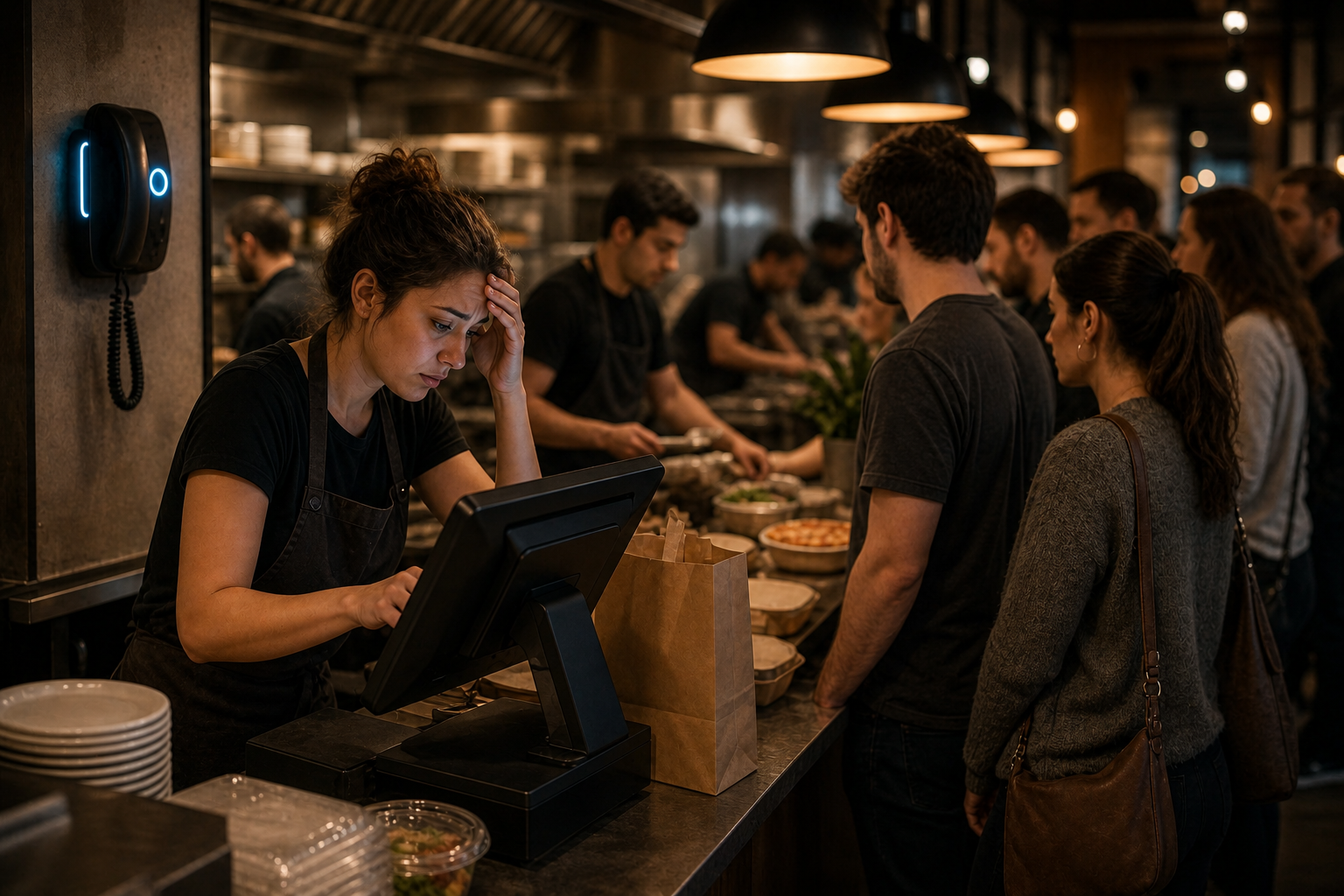
The cost adds up quickly. Industry research estimates the average location misses around 150 calls a month, with close to 30% of inbound calls going unanswered during peak service. Worse, research frequently attributed to BIA/Kelsey suggests roughly 85% of callers do not call back after an unanswered call. Each one is an order that walks to a competitor or a third-party app.
This is not a niche problem. Toast reports its POS is trusted by roughly 180,000 restaurant locations, so a large share of operators need the best AI phone agents for Toast restaurants to handle the same wall every night. The stronger your in-person volume, the more phone revenue quietly slips away, because the people who could answer are the same people ringing up the line in front of them.
A voice AI phone agent sits on top of Toast through a two-way connection, a form of restaurant AI phone POS integration that reads live data out of the register during the call, then writes confirmed orders back into Toast POS and the kitchen display without anyone re-keying a ticket. Here is what that looks like across three moments of a call.
The agent pulls your Toast menu in real time, so 86'd items, price changes, specials, and modifier updates show up mid-call. A caller asks for the short rib special that sold out twenty minutes ago. The agent already sees it is gone in Toast and offers the accurate substitute, a practical example of Toast voice AI improving service, with no staffer running over to update anything.
Because Toast is an order-taking POS, the agent takes the complete pickup or delivery order and fires it straight to the kitchen display. Split the toppings, extra sauce on the side, swap fries for a side salad, and it all lands clean in the same ticket the line already reads. Message-taking systems only log a call note that someone still has to punch in later, which is where errors creep in, and why POS integration impacts restaurant workflow so much.
Payment clears inside the same call and syncs into Toast, so there is no callback and no manual card entry after the fact. The order reaches the kitchen already paid, which cuts the checkout friction at pickup and moves the guest through faster. The caller hangs up, and the ticket is done.
Follow one call the whole way through. Here is what that looks like:
| Stage | What happens | Toast workflow result |
|---|---|---|
| Call answered | Voice AI picks up every call, no hold time | Guest reaches an agent instantly |
| Order captured | Modifiers and special requests confirmed | Clean ticket, no re-keying |
| Ticket written | Order pushed into Toast POS and KDS | Kitchen sees it like a counter order |
| Payment cleared | Card taken in-call, synced to Toast | Paid ticket, faster pickup |
Staff notice no difference on the floor. The order lands where they already look, already paid, already accurate, a result of rapid POS integration using AI.
Crust Pizza's owner reports that Loman paid for itself in 10 days, with calmer phones and bigger tickets, an operator-reported result attributed to that restaurant and not an audited figure. Tony Boloney's reports capturing 75 to 100 extra orders per month per location across its multi-unit operation, a result of integrating Loman voice AI with Toast POS, again a customer-reported outcome. Both numbers come from operators running the same Toast setup described above, and both are testimonials, not independently verified data.
Every phone order a Toast restaurant recaptures carries better economics than the same order placed online. Off-premises dining now accounts for nearly 75% of all restaurant traffic, per the National Restaurant Association, which makes the phone channel a bigger revenue line than most operators track.
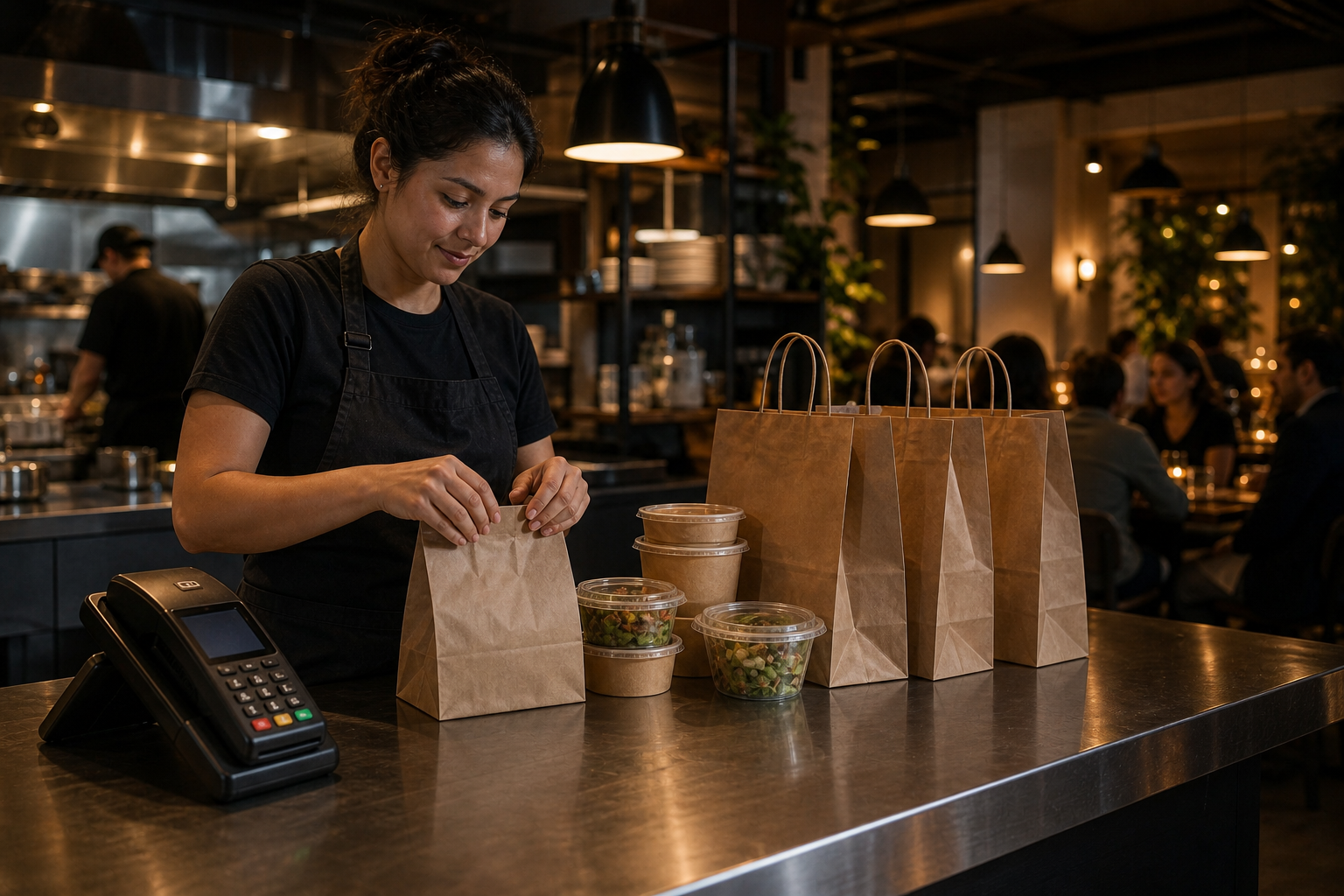
Phone orders average an estimated $48 against $41 for online orders, a roughly 17% premium that compounds across weekly volume. Recaptured Toast phone orders lift the average ticket further because the agent runs AI-powered phone agent upselling, suggesting add-ons and popular combos while the caller is still deciding.
A direct phone order stays inside your own Toast workflow instead of routing through a marketplace. Third-party delivery base commissions typically run 15% to 30%, with all-in costs reaching 30% to 40% per order once service charges and promotions are netted in, per an analysis of third-party delivery apps. Every recaptured call keeps that margin with you.
Restaurant labor hit a median of 36.5% of sales for full-service operators in 2024, per National Restaurant Association survey data, making every recovered phone order a direct offset to that margin pressure. Operators using Loman have reported up to 22% higher phone revenue and up to 17% lower labor costs, metrics that factor directly into the AI phone agent ROI. Little Italy reports cutting labor costs by more than 24%, an operator-reported figure attributed to that restaurant and not an audited result.
| Metric | Figure | Source / Context |
|---|---|---|
| Estimated average phone order ticket | $48 | Industry estimate |
| Estimated average online order ticket | $41 | Industry estimate |
| Third-party delivery base commission | 15% to 30% | Industry estimate |
| Third-party delivery all-in cost | 30% to 40% | Industry estimate |
| Reported higher phone revenue | Up to 22% | Operators using Loman |
| Reported lower labor costs | Up to 17% | Operators using Loman |
The phones stay calm, the tickets run bigger, and your staff works the floor instead of the wall phone. That is control regained before the next dinner rush hits.
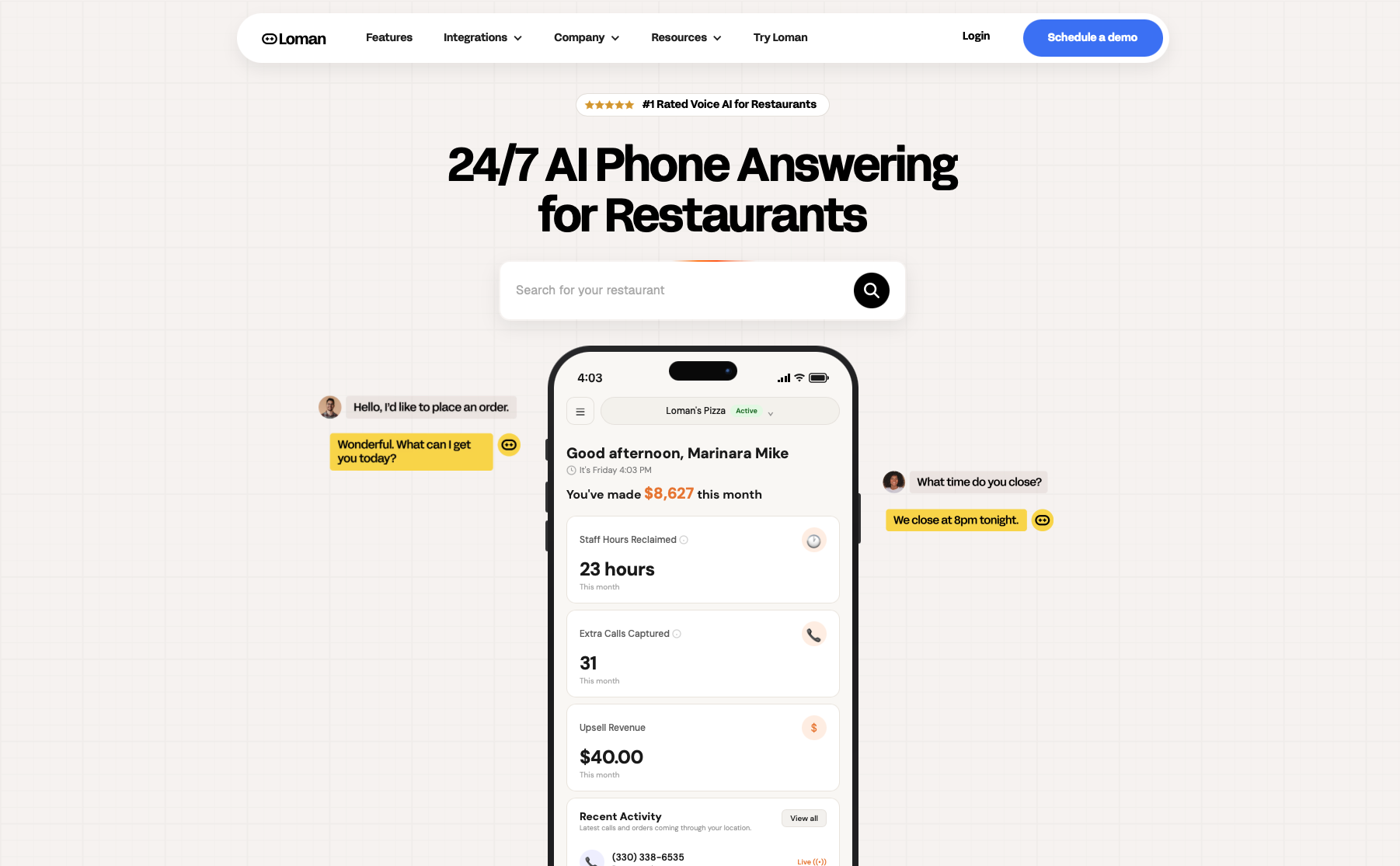
Loman was built for exactly the problem Toast restaurants face: a POS that handles transactions fast but goes silent the moment a call comes in during the rush. Loman sits on top of Toast through a two-way integration, reads your live menu mid-call, takes the full order with every modifier and special request, processes payment in-call, and fires a clean ticket straight to your POS and kitchen display. No re-keying, no callback, no missed items. The caller hangs up and the order is already cooking.
The economics run in your favor from day one. Phone orders average an estimated $48 versus $41 online, Loman's built-in upselling engine pushes that ticket higher, and every direct call keeps the 15% to 30% base commission third-party delivery apps would take. Operators using Loman have reported up to 22% higher phone revenue and up to 17% lower labor costs. Crust Pizza's owner reports Loman paid for itself in 10 days, and Tony Boloney's reports capturing 75 to 100 extra orders per month per location, both operator-reported results attributed to those restaurants.
Setup takes under 24 hours with no coding or dedicated IT required. Connect Toast, import your menu, set your greetings and call-handling rules, and Loman starts answering. White-glove onboarding is available if you want a hand. Pricing starts at $199 per month, a flat monthly fee with no per-minute charges, so the cost holds whether the phone rings 20 or 200 times on a Saturday night. Book a demo and see it run against your own menu.
A restaurant-specific voice AI like Loman takes the complete pickup or delivery order and pushes it straight into Toast POS and the kitchen display, with payment cleared in the same call. Message-taking systems only log a call note that a staffer still has to punch in later, which is where errors and missed items creep in.
A voice AI phone agent that connects to Toast through a two-way integration answers every call with no hold time, so no staffer gets pulled off the floor. It reads your live Toast menu mid-call and writes confirmed orders back into the POS and kitchen display without anyone re-keying a ticket.
No. Loman supplements Toast instead of replacing it. Toast handles transactions fast, but it can't pick up the phone when your counter staff is slammed, and that's the gap Loman fills by answering calls and pushing orders back into your existing Toast workflow.
Phone orders average an estimated $48 versus $41 for online orders, a roughly 17% premium, and every direct order keeps the 15% to 30% base commission that third-party delivery apps would take. Operators using Loman have reported up to 22% higher phone revenue and up to 17% lower labor costs.
Most restaurants go live in under 24 hours, with no coding or dedicated IT required. You connect Toast, import your menu, set your greetings and call-handling rules, and the agent starts answering, with white-glove setup available if you want help.
Every unanswered call is a $48 order heading to a competitor while your staff rings up the line in front of them. The best AI answering service for restaurants using Toast closes that gap by taking full orders, syncing them to your POS, and clearing payment in the same call. You get the phone revenue back without pulling anyone off the floor. Book a demo and watch it run against your own menu.
Enter your information in the form to receive a call from Loman and place an order like a customer would!

