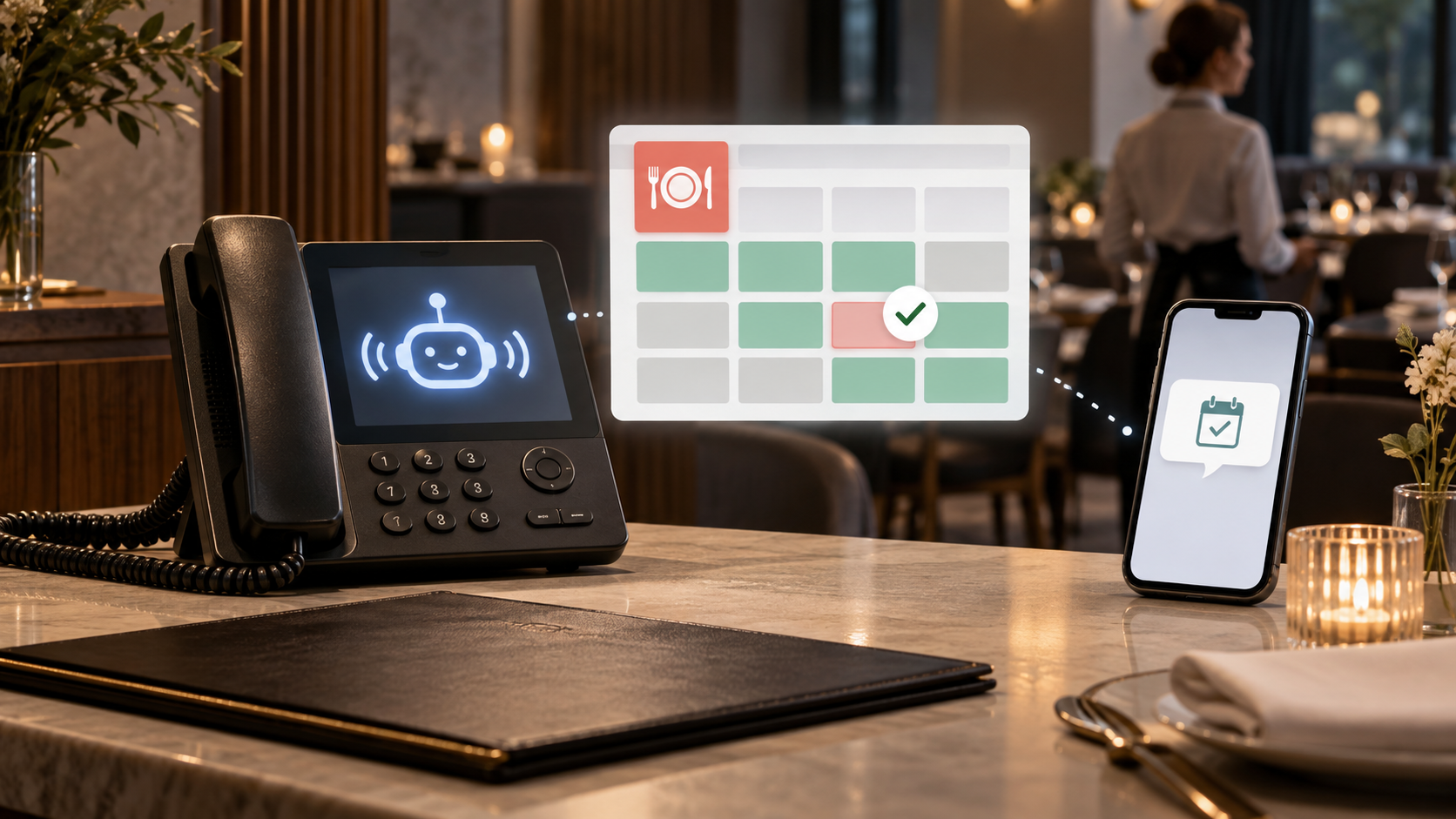
Every unanswered call on a Friday night is a cover that never sits down. Your host is on the floor, the phone's ringing, and Resy can't answer it for you, so the last open slot walks to another restaurant. Since most abandoned callers don't try again, that seat is lost revenue you can't re-sell. Finding the best AI phone agent for restaurants using Resy means answering every call live and pushing the booking straight into the same book your host already works from.
TLDR:
It's 7:40 on a Friday and the host stand is three parties deep. Someone needs seating, a two-top wants the patio, and the phone is ringing for the third time in five minutes. Resy holds your book and maps your floor, but it can't lift the handset while your host walks a four-top to their table.
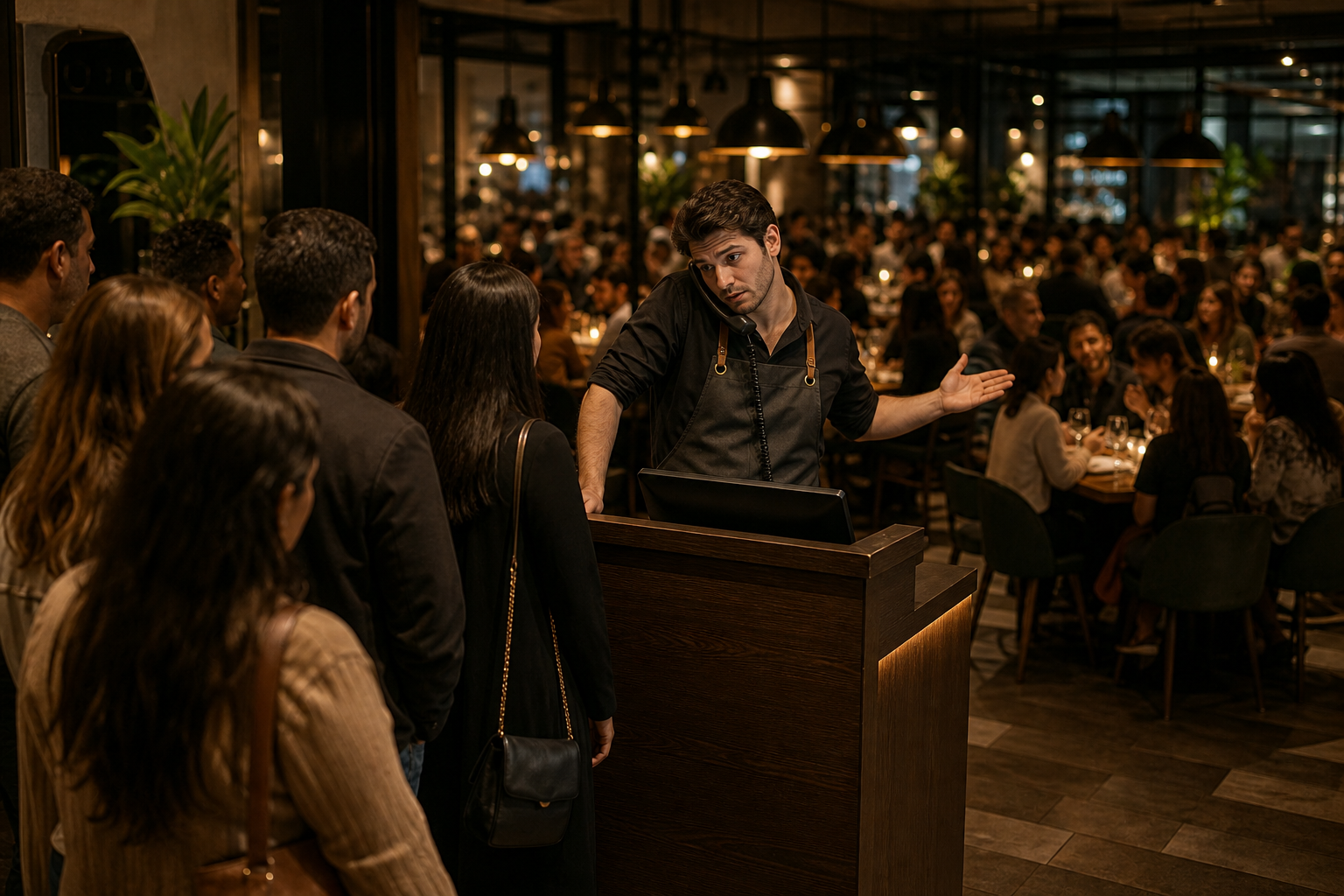
That gap costs you. Roughly 30% of restaurant calls go unanswered during peak hours, and missed call statistics show roughly 85% of callers do not call back after an unanswered call. The ring you ignore at 7:40 is usually gone for good, and missed calls drain restaurant revenue shift after shift.
Call spikes and seating rushes land on the same clock. The moment your book fills is the moment diners are calling to grab the last slot, push a reservation back an hour, or confirm a party size. The person who owns the Resy book is the same one walking guests to their seats, so the line goes unanswered exactly when bookings are most valuable. A missed call at peak is often a missed booking, and that diner rarely tries again. They tap over to the next restaurant on their list. Restaurant phone automation is how operators close that gap.
Every unanswered call is a cover that never sits down and a table that stays empty on your busiest night. Since most abandoned calls never come back, that seat is lost revenue you can't re-sell. No-shows and lost reservations already cost the global restaurant industry an estimated $16 billion annually, and unanswered phones quietly add to that total shift after shift.
A voice AI agent for restaurant reservations sits on top of your Resy book and works both directions. It reads live table availability during the call, then writes confirmed bookings, changes, and cancellations straight back into Resy with no one re-keying anything. Because Resy runs the reservation lifecycle instead of order tickets, the payoff shows up in fewer no-shows, tighter seating, and faster table turns.
When a caller asks for a 7:30 table for six, the agent checks open slots and party-size fit against the actual Resy book in real time. It only offers what's genuinely available, so it never hands out a table that's already spoken for. That closes the double-booking gap that opens up when the host is buried and guessing.
New reservations, party-size changes, time swaps, and cancellations all get handled on the call and pushed back to your Resy dashboard instantly, the same way restaurant AI phone POS integration works with order-based systems. A guest calls to move a Saturday booking an hour earlier, and the change lands in Resy without anyone touching a screen. The slot they vacated reopens for the next diner right away.
Questions about hours, dress code, large-party rules, and deposit policies get answered on the line, so your front-of-house team stays with the guests in front of them. The agent also converses in multiple languages, which matters when your callers don't all speak English, part of how AI phone answering is revolutionizing restaurant service. A Spanish-speaking guest can confirm a booking and hear your cancellation policy without waiting for a bilingual staffer to free up.
Trace a single call the whole way through. The phone rings, the agent picks up, and a caller asks for a table. The agent checks that request against live Resy availability, confirms the details out loud with the guest, and writes the booking directly into the Resy book. No message sits in a separate inbox waiting for someone to transcribe later.
Party size, timing, a window seat, a birthday note, a high-chair request. Each detail lands in the same book your host already works from, formatted the way a booking they typed themselves would look.
Synced reservations show up alongside walk-ins and online bookings, in one view. There's no second screen to check and no re-keying step where a party size gets dropped or a time gets fat-fingered. The host manages the floor from the book they already trust, seeing no difference between a phone reservation the agent captured and one a staffer entered by hand, a direct result of how POS integration impacts restaurant workflow.
Once a booking is captured, the downstream flow takes over. Automated SMS confirmations and reminders go out on those reservations, which helps hold the seat and recapture covers that would otherwise sit empty when a diner forgets, a capability central to the best AI reservation management systems.
BA Tavern owner Jamie Oweis reported that Loman captured six bookings on day one that he would have completely missed, an operator-reported result and not an audited figure. Six tables that would have gone unanswered, sitting in the book instead.
For a Resy restaurant, the math is simple. Every recaptured call is a recaptured booking, and every booking held is a cover that actually sits down. Tighter seating schedules and fewer no-show gaps push more diners through the same room on the same night, so revenue per available seat climbs without adding a single table. Operators using Loman have reported up to 22% higher phone revenue and up to 17% lower labor costs. See the full breakdown of AI phone agent ROI for restaurants.
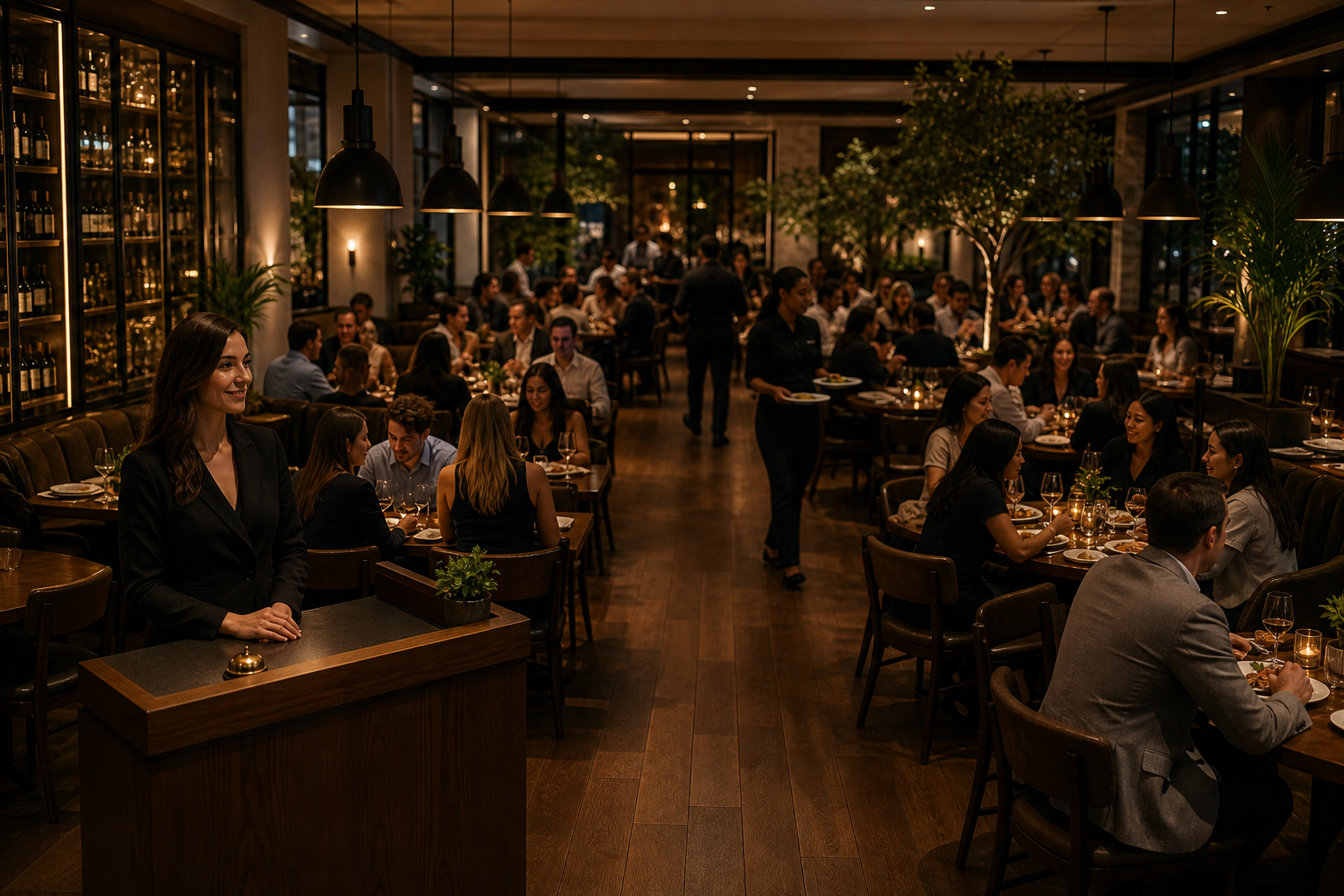
When calls get answered and confirmations go out on every booking, the schedule tightens on its own. Fewer diners forget, fewer slots sit dead, and the dining room stays full during the windows that pay for the week. Restaurants continue to lose revenue to no-shows and last-minute cancellations, so holding each booking directly moves the number.
A flat monthly cost answers unlimited calls at the same price whether the phone rings 20 times or 200, unlike generic AI answering options that fall short on restaurant-specific needs. Phone-only labor works the other way, spiking exactly when the rush hits and staff are hardest to spare. DeCheco's Pizzeria, an operator-reported result, runs with one fewer front-of-house staff member while revenue keeps growing.
| Metric | Without a voice agent | With a voice AI agent on Resy | Source / Context |
|---|---|---|---|
| Peak-hour calls answered | Roughly 70% (about 30% go unanswered) | Every call answered | Industry estimate |
| Callback rate after a missed call | Roughly 1 in 7 callers call back | Not applicable, call is answered live | Research frequently attributed to BIA/Kelsey missed call research |
| Phone revenue | Baseline | Up to 22% higher (operators using Loman report) | Operator-reported |
| Labor cost | Baseline | Up to 17% lower (operators using Loman report) | Operator-reported |
The book stays full, the line stays covered, and the host works the floor instead of the phone.
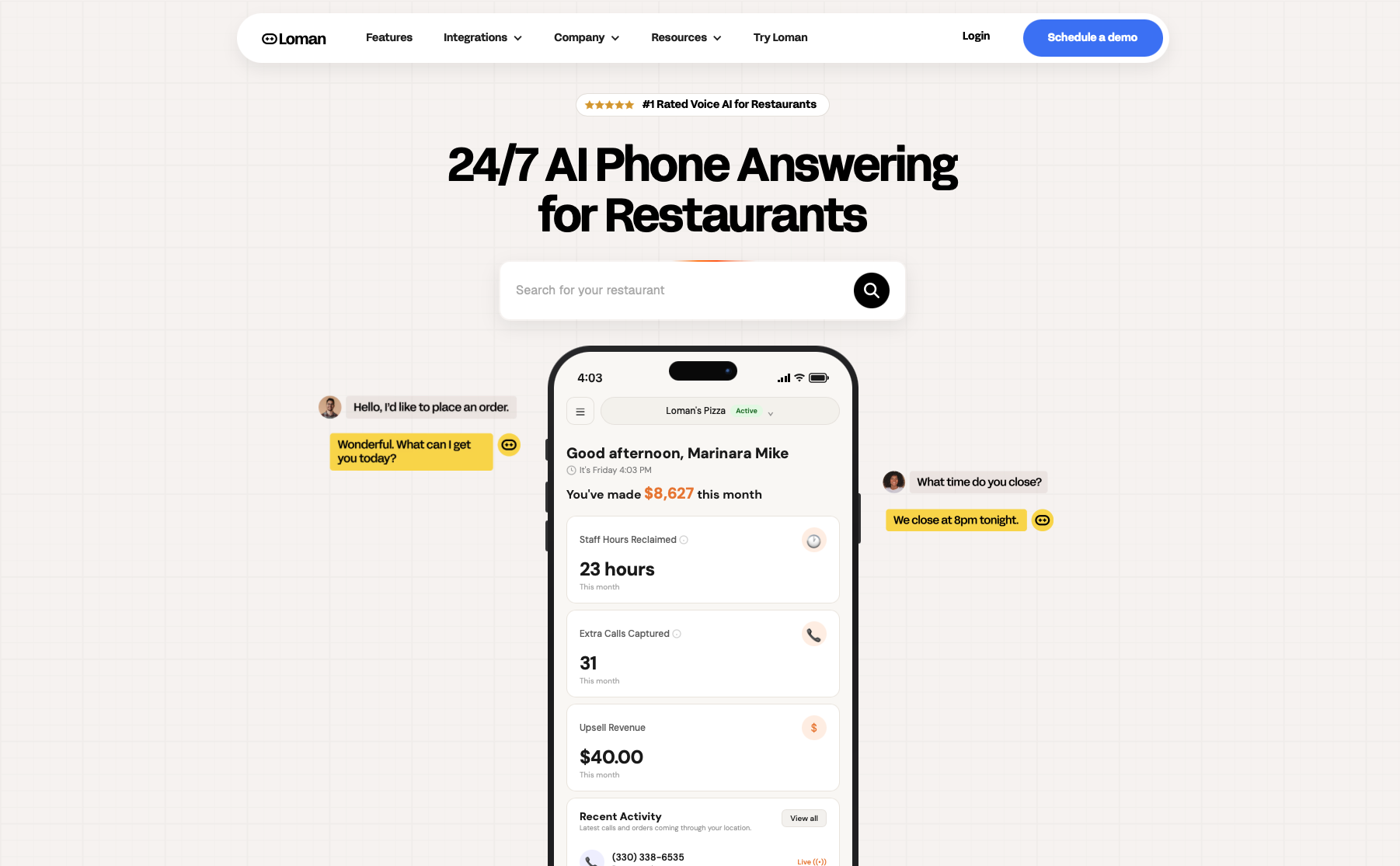
Loman AI is a voice AI phone agent built specifically for restaurants, and its Resy integration runs both directions: the agent reads live table availability from your Resy book during every call and writes confirmed bookings, changes, and cancellations back into it automatically, so no host has to re-enter a phone reservation by hand. Setup takes under 24 hours with no coding required, and a flat $199 monthly fee covers unlimited calls, whether the phone rings 20 times or 200 in one night.
Little Italy cut labor costs by more than 24% after putting Loman on the phones, an operator-reported result that comes from the same mechanic driving a Resy book: fewer interruptions at the host stand means fewer staff hours spent chasing calls instead of guests. Crust Pizza owner Nick Haselidis reported that Loman paid for itself in 10 days, an operator-reported result showing how fast the payback shows up once every call gets answered and every booking lands where the host already works.
Restaurants running Resy can see that mechanic on their own book before committing to anything. Book a free Loman demo and watch the agent check live availability, confirm a booking, and push it straight into Resy on a real call.
Yes. A voice AI agent reads live Resy availability during the call and writes confirmed bookings, changes, and cancellations straight back into the Resy book, so the reservation lands the same way one a staffer typed by hand would.
Put a voice AI agent on top of your Resy book so every call gets answered even when your host is walking a four-top to their table. Since roughly 30% of restaurant calls go unanswered at peak and industry research suggests roughly 85% of callers do not call back after an unanswered call, answering live is where the recaptured bookings come from.
Yes. Loman integrates directly with Resy for real-time reservation sync, checking open slots and party-size fit against the live book before confirming, which closes the double-booking gap that opens up when the host is buried.
Once a booking is captured, automated SMS confirmations and reminders go out on that reservation, which helps hold the seat and recapture covers that would otherwise sit empty. BA Tavern owner Jamie Oweis reported six bookings on day one he would have completely missed, an operator-reported result.
It depends on your call volume, but a flat monthly fee answers unlimited calls at the same price whether the phone rings 20 times or 200. Phone-only labor spikes exactly when the rush hits and staff are hardest to spare, which is why DeCheco's Pizzeria runs with one fewer front-of-house staff member while revenue keeps growing, an operator-reported result.
When the line rings during the rush, your book stays open and your host stays with guests. Loman is the best AI phone agent for restaurants using Resy, handling the call, reading live availability, and dropping confirmed bookings into the same view your team already works from. Walk through a live demo to see how it fits your floor before the next dinner service.
Enter your information in the form to receive a call from Loman and place an order like a customer would!

