
Your phone system shouldn’t fall apart when ten lines light up during Saturday dinner rush. That’s what VOICEplug AI reviews keep pointing to: it can handle routine orders across phone and drive-thru, but call spikes slow it down and first-time callers hit friction during payment. If you’re comparing options, this breakdown covers what VOICEplug actually delivers, what it costs, and how a more complete AI phone solution for restaurants handles unlimited calls with real-time payments built in.
TLDR:
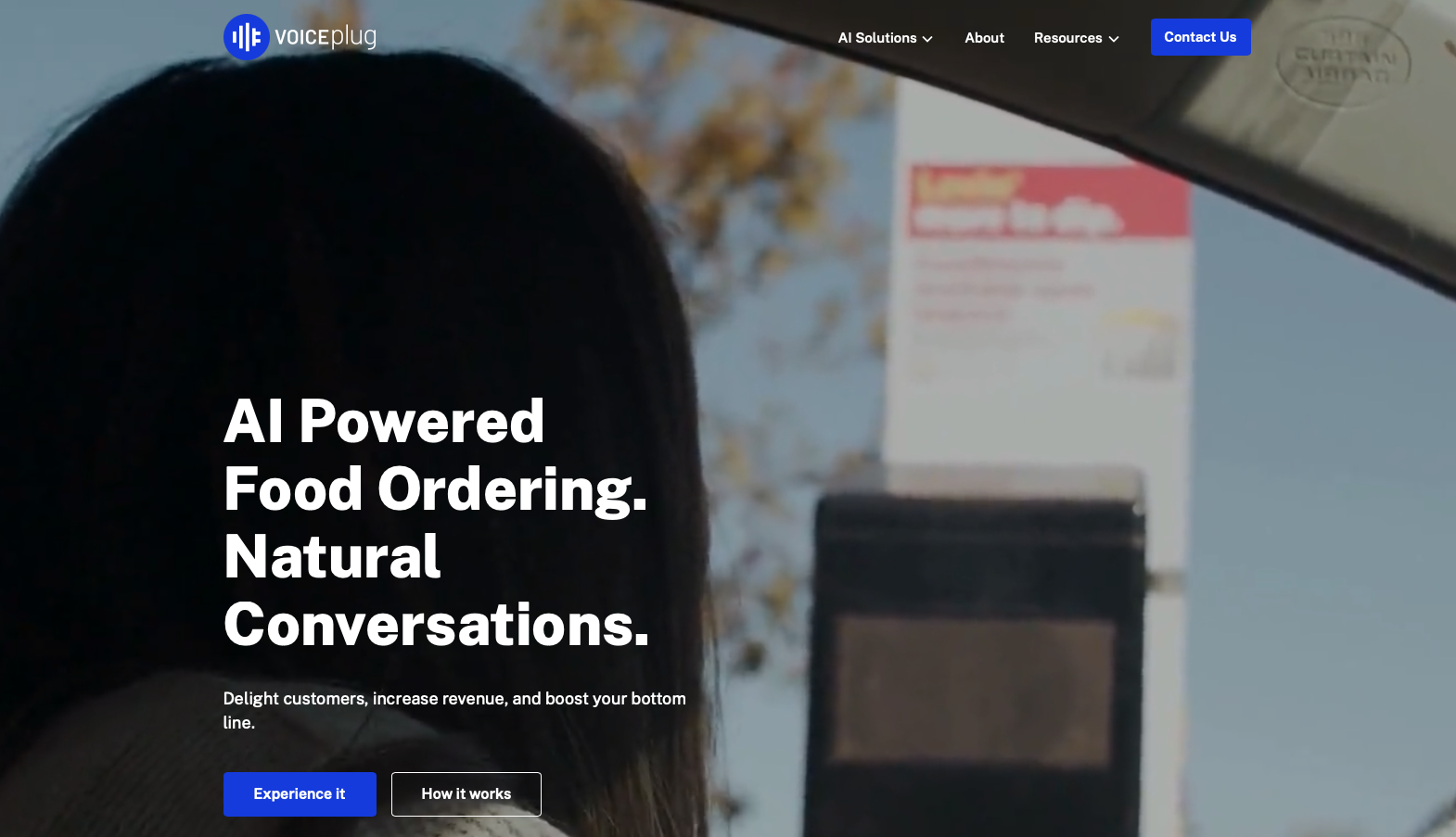
VOICEplug AI is a voice assistant that handles food orders and customer calls across phone lines, drive-thru lanes, kiosks, and even pizza-specific ordering channels. It runs 24/7 and can take simple takeout orders, answer menu questions, handle rush-hour spikes, and suggest add-ons during the call.
It connects with major POS and CRM systems, sending orders straight into your workflow. It can answer multiple calls at once, manage reservations, and keep callers from sitting on hold.
VOICEplug is built for quick-service restaurants, pizza shops, and casual dining spots where voice orders make up a big share of revenue. In 2025, it rolled out OpenTable integration across 20 countries, allowing the AI to handle reservations, group bookings, and private events in multiple languages.
VOICEplug works well for QSR brands that want one system across phone, drive-thru, and kiosks. But that broad focus comes with tradeoffs if your main channel is the phone.
It handles routine orders well, but can struggle with detailed menu questions, allergens, and edge cases. Reservation features are fairly basic, and the payment flow is where most friction shows up. VOICEplug often relies on stored customer profiles or external payment steps instead of charging during the call, so new customers often have to take extra steps before completing an order.
Some restaurants also report slowdowns when too many calls come in at once. With restaurant employee turnover hitting 79.6% and 45% of operators reporting insufficient staff, reliable phone automation becomes fundamental for handling call volume without adding headcount.
If your business depends on phone orders and reservations, it’s worth looking at tools that offer real-time payment, deeper POS integration, and the ability to handle high call volume without slowdowns.
If you’re comparing options, seven tools stand out depending on how your restaurant actually handles calls.
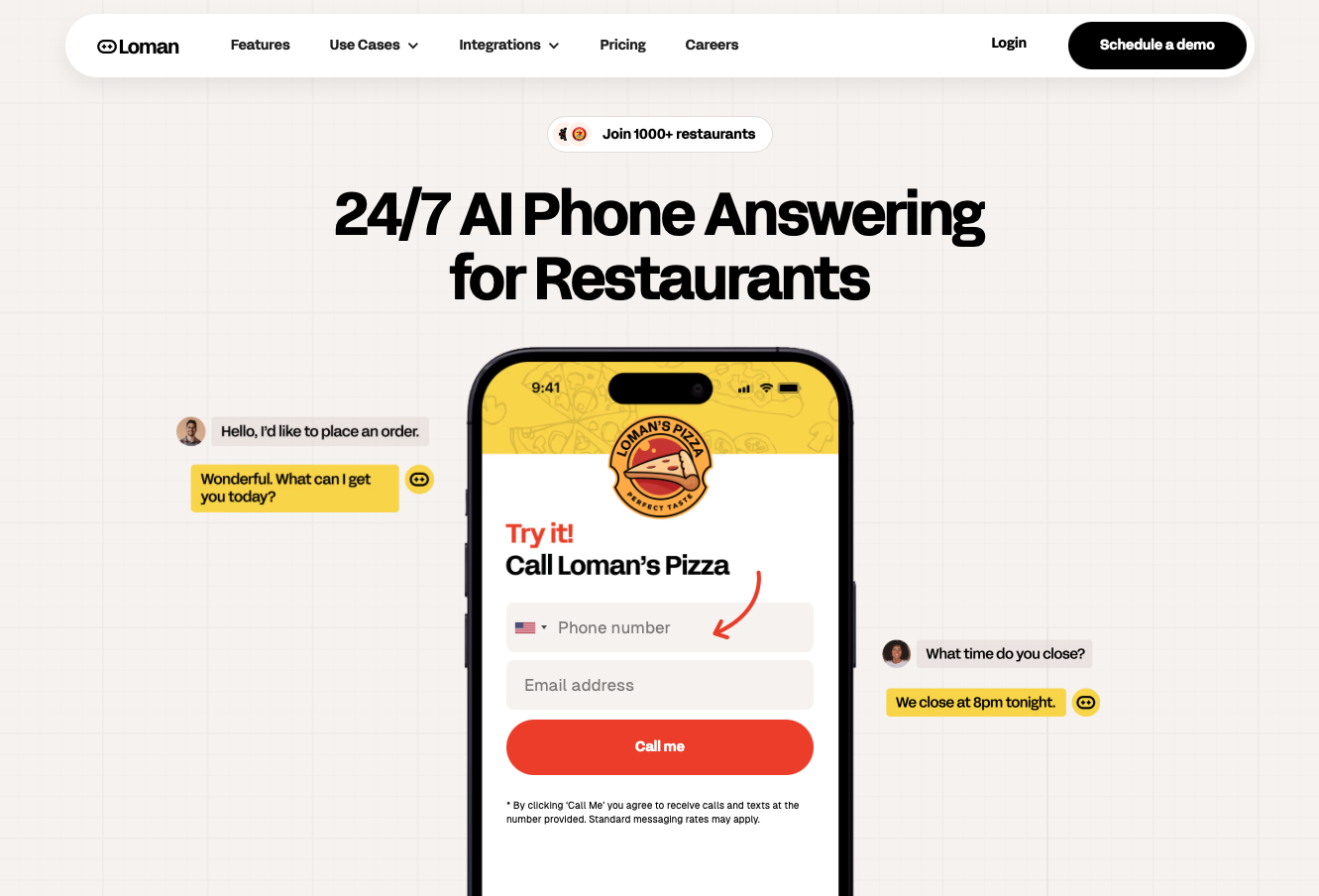
Loman handles full phone operations for restaurants. It takes pickup and delivery orders, processes payments in real time, manages reservations through OpenTable, and answers menu questions 24/7. It connects directly to Toast, Square, Clover, and Aloha, so orders and payments flow straight into your POS.
It handles unlimited concurrent calls without slowing down during rush hours. The system recognizes repeat customers, supports multiple languages, and includes upselling prompts that increase average ticket size. Setup takes under 24 hours, including menu training and POS integration.
For multi-location groups, Loman supports per-store menu overrides, local phone numbers, and centralized analytics.
Best fit: Independent restaurants, multi-unit groups, and regional chains that rely heavily on phone orders and reservations.
Main advantage: Loman combines order taking, real-time payment, reservations, unlimited call handling, and 24-hour setup in one phone-first system.

Maple handles restaurant phone calls with OpenTable sync, covering reservations, basic guest questions, and some order intake. The service answers calls 24/7 and manages reservation confirmations, modifications, and cancellations through direct integration with OpenTable's software.
It works well for restaurants where most calls are about table availability. Reservation changes and confirmations are handled automatically without manual updates.
Best fit: Restaurants with heavy reservation traffic that also want AI to handle some inbound order calls.
Key limitation: Maple supports reservations and some order workflows, but restaurants that want built-in live payment during calls may need a more phone-order-focused system.
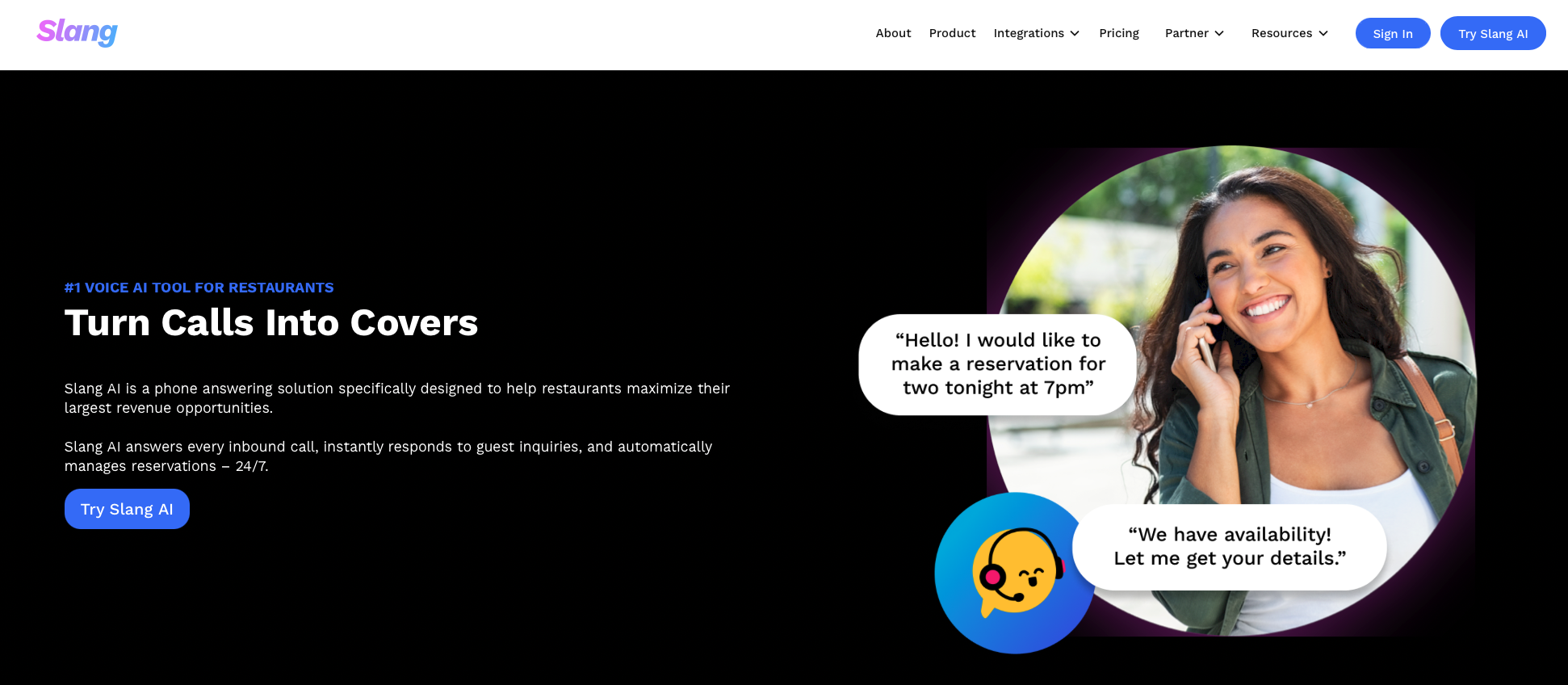
Slang AI focuses on restaurant phone answering, guest questions, and reservation handling through voice AI. The system handles order taking, upselling, and order handoff through integrations with enterprise POS systems built for quick-service restaurant operations.
The tool uses conversational AI to answer inbound calls, respond to guest questions, and manage reservations around the clock.
Best fit: Restaurants that want stronger phone coverage for reservations, guest questions, and missed-call capture.
Key limitation: Slang AI is strong on phone answering and reservations, but restaurants that need built-in live payment and deeper order-taking workflows may want a more order-focused system.
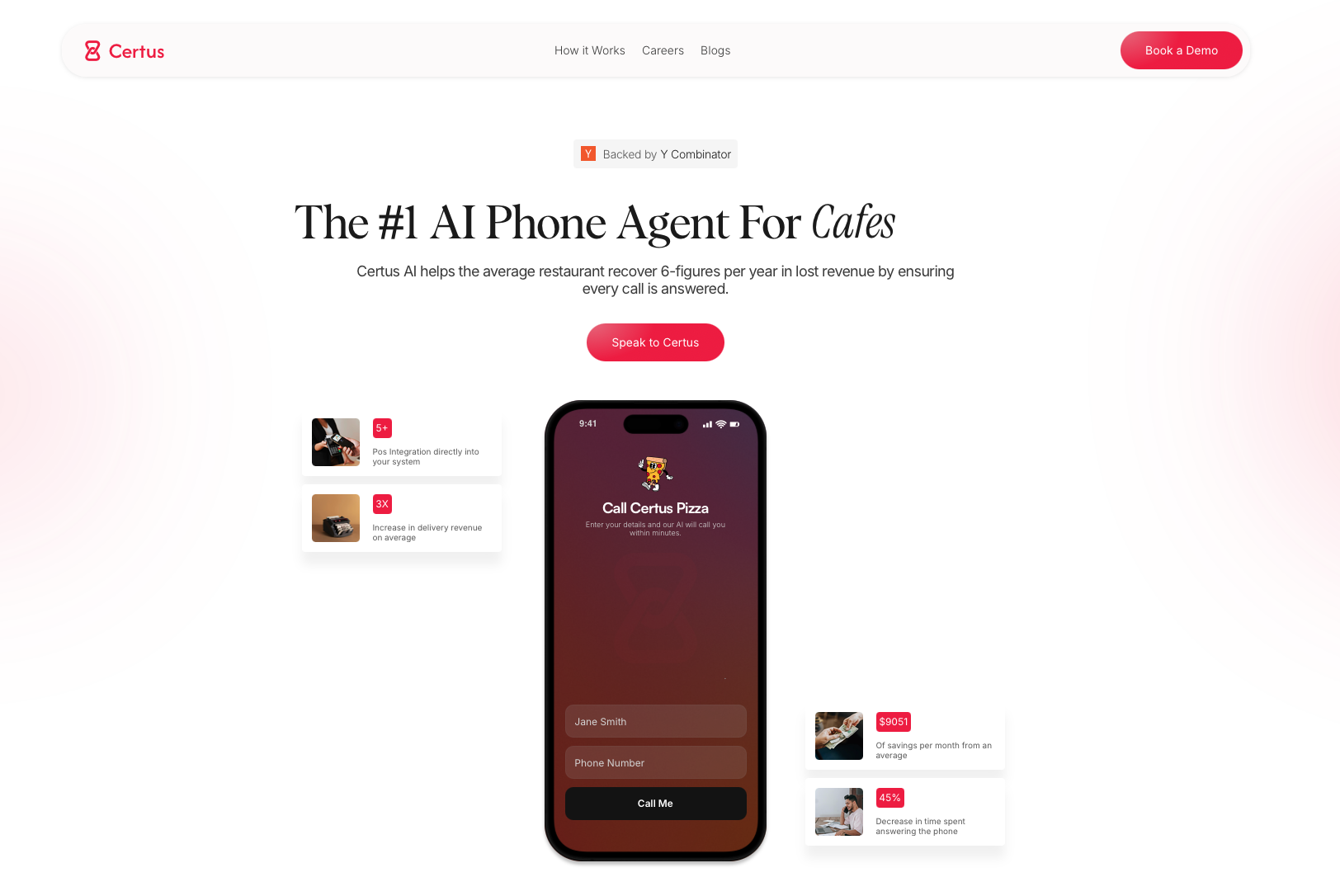
Certus AI handles inbound calls 24/7, including orders, reservations, upsells, and even customer complaints. It supports multiple languages like English, Spanish, and French.
It connects with POS and reservation systems so orders and bookings sync automatically. During call spikes, it can manage multiple lines and pass complex issues to staff.
Best fit: Multi-location restaurants and regional chains serving diverse language groups that need complete call support covering orders, bookings, and guest recovery.
Key limitation: Certus offers broad restaurant call automation, but pricing details and some buying information are still limited on its public site.
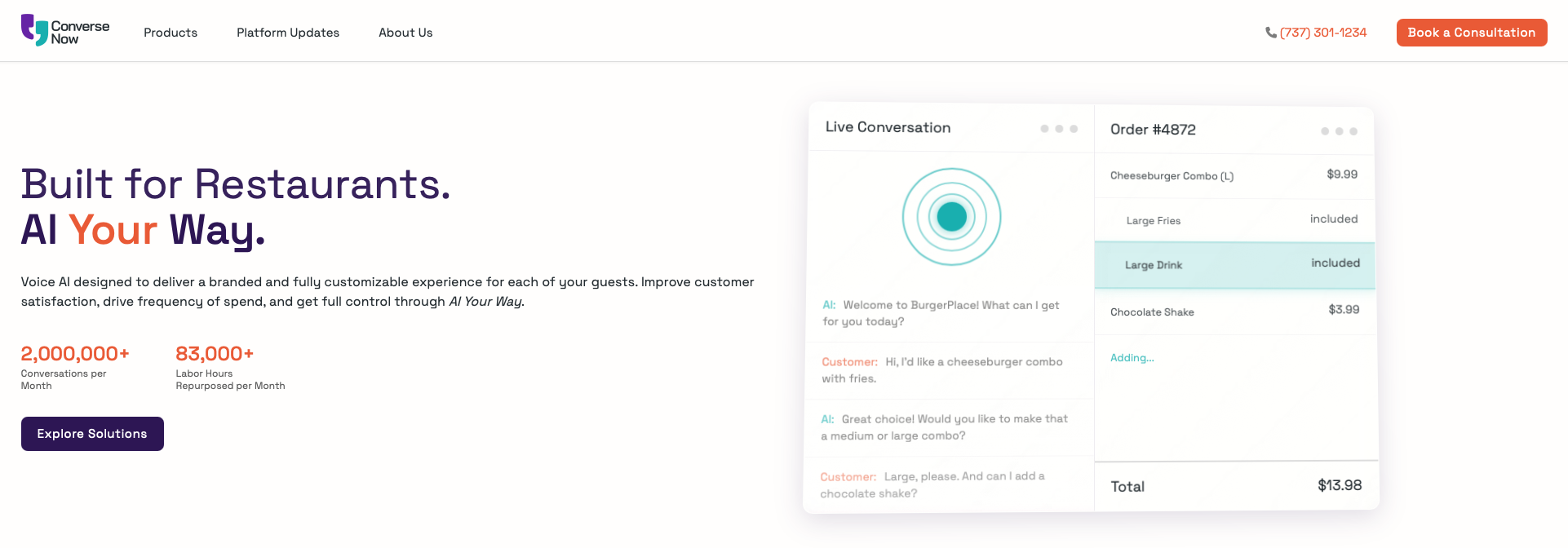
ConverseNow specializes in drive-thru and phone voice ordering with conversational AI trained on large volumes of restaurant interactions. The system handles complex menu modifications, recognizes repeat customers, and processes orders through direct integrations with major POS systems including Toast, Oracle, and NCR.
The service supports multiple ordering channels simultaneously and includes built-in upselling prompts that adapt based on order history and purchase patterns. ConverseNow deploys primarily for enterprise QSR brands and requires custom configuration for each restaurant concept.
Best fit: Large QSR chains and drive-thru-heavy concepts that need highly accurate voice ordering across standardized menus and can invest in custom implementation timelines.
Key limitation: ConverseNow focuses on order taking and upselling but lacks full reservation management, real-time payment processing during calls, and transparent self-service onboarding. Enterprise sales cycles and custom deployments can stretch weeks or months.
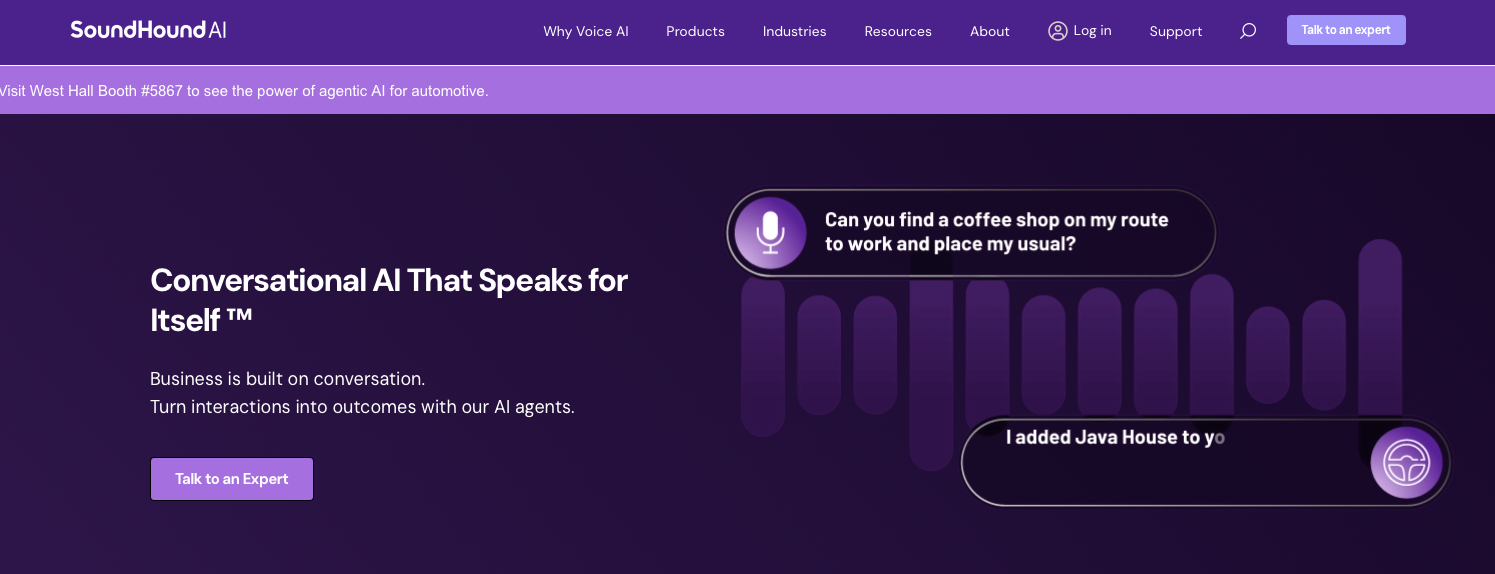
SoundHound AI powers voice ordering for over 10,000 locations, including brands like Chipotle and Jersey Mike’s. It supports phone and drive-thru ordering with strong accuracy and multilingual support.
It integrates with enterprise POS systems and is built for large-scale rollouts across hundreds or thousands of locations.
Best fit: Enterprise restaurant brands and national franchises that need proven scale, brand-name client references, and voice AI infrastructure designed for multi-thousand-location rollouts.
Key limitation: SoundHound focuses on enterprise clients with complex procurement cycles and custom implementations. Independent restaurants and smaller multi-unit groups face longer sales processes, higher price points, and feature sets built for corporate chains instead of single-location or regional operators.
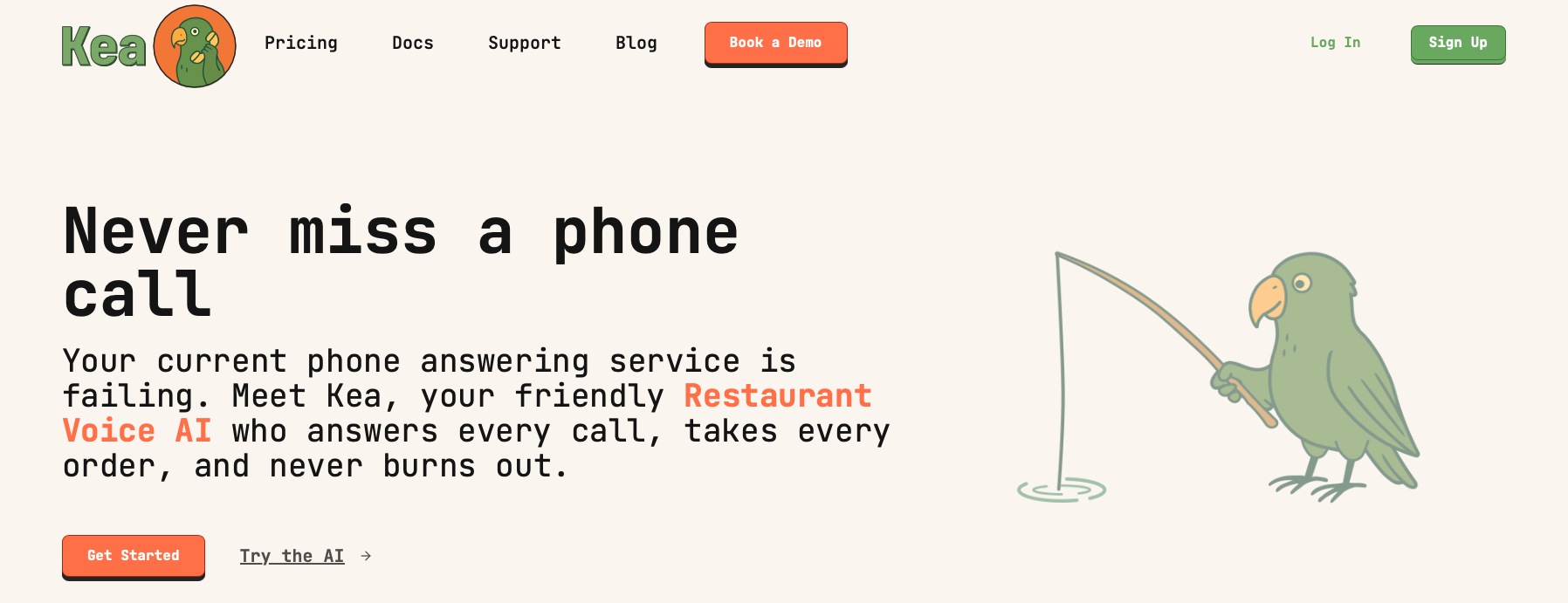
Kea extends AI automation across Call-to-Order, Text-to-Order, Scan-to-Order, and In-Car Voice Ordering. The system syncs orders directly to your POS, answers FAQs, and handles upsells across multiple touchpoints.
Smart Lane Technology allows customers to pre-order via call, text, or scan before arriving at the drive-thru window, cutting wait times during rushes. Multilingual support helps serve diverse customer bases.
Best fit: Large QSR brands and national chains needing omnichannel voice AI with enterprise-grade scalability across multiple ordering channels.
Key limitation: Kea targets enterprise QSR deployments and omnichannel ordering ecosystems, introducing complexity and cost structures that don't work for independent restaurants and small multi-unit groups needing phone and reservation automation without drive-thru or kiosk components.
| Software | Primary Focus | Real-Time Payment | Setup Time | Best For |
|---|---|---|---|---|
| Loman AI | Phone orders and reservations | Yes, during calls | Under 24 hours | Independent restaurants and multi-unit groups |
| Maple | Reservation management only | No | Not specified | Dine-in restaurants with minimal phone orders |
| Slang AI | Drive-thru automation | No | Weeks to months | QSR brands with drive-thru focus |
| Certus AI | Multi-channel calls and reservations | Not specified | Not specified | Multi-location chains with diverse language needs |
| ConverseNow | Drive-thru and phone ordering | No | Weeks to months | Enterprise QSR chains |
| SoundHound AI | Phone and drive-thru ordering | No | Custom deployment | National franchises with 1,000+ locations |
| Kea | Omnichannel ordering | No | Custom deployment | Large QSR brands needing multiple channels |
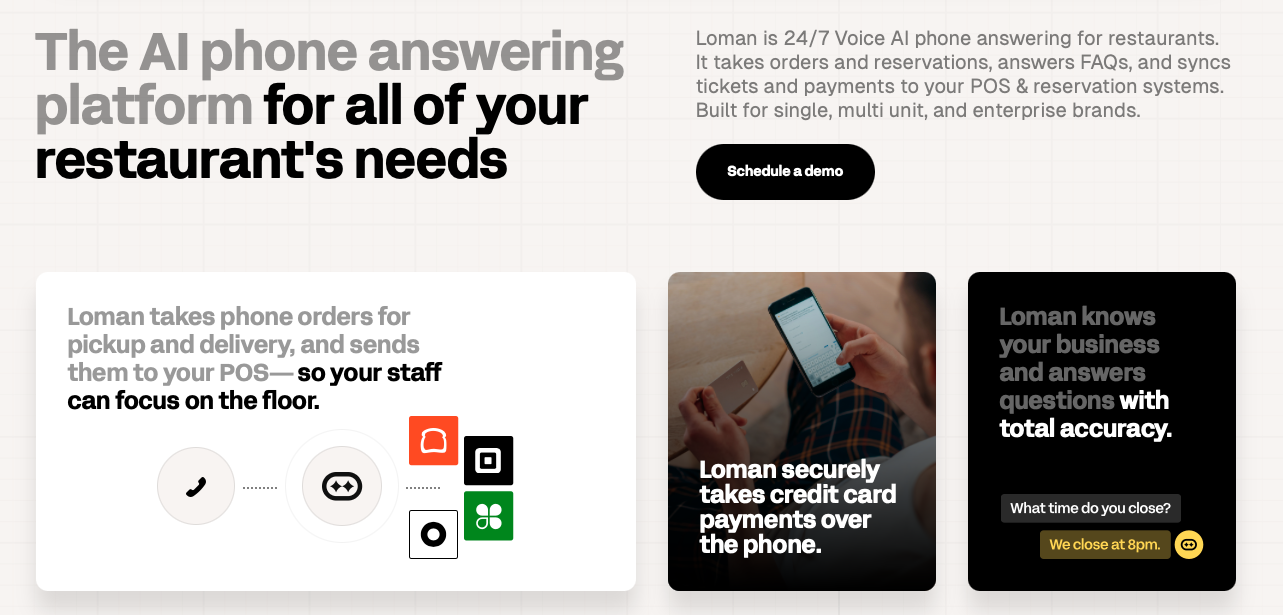
We built Loman for restaurants where phone orders and reservations drive revenue. VOICEplug spreads across drive-thru, kiosks, and phone lines, but that multi-channel approach creates tradeoffs for operators who need complete phone automation. As AI becomes a functional necessity in 2026, focused phone automation delivers measurable results.
Loman processes payments in real time during every call through native POS connections with Toast, Square, Clover, and Aloha. VOICEplug requires stored payment profiles, which creates friction for first-time callers and loses orders when customers can't pay immediately. Our system handles unlimited concurrent calls without performance drops during dinner rushes. Restaurants using AI phone automation typically see 760% annual ROI from labor savings and increased order capture.
We go live in under 24 hours with menu training, POS sync, and OpenTable reservation integration included. For multi-location groups, Loman supports per-store menu overrides, local phone numbers, and roll-up analytics across your entire operation. As voice AI becomes increasingly important for independent restaurants, we deliver focused phone automation that drives results.
VOICEplug covers multiple channels, but that approach can fall short if your focus is phone orders. Payments rely on stored profiles, which adds friction for new customers, and performance can dip during peak call volume.
Look for real-time payment through POS integration, unlimited concurrent calls, and fast setup under 24 hours. Native integrations with Toast, Square, and OpenTable also matter.
Loman processes credit-card payments in real time during every call through native POS connections, letting customers pay instantly without storing payment profiles or creating accounts. VOICEplug requires stored customer information, which loses orders when new callers can't pay immediately, and some alternatives like Maple don't process payments at all.
If phone orders and reservations generate more revenue than drive-thru or kiosk channels, or if you're experiencing missed calls, payment friction with first-time customers, or performance issues during dinner rushes, a phone-focused solution like Loman delivers better results than multi-channel systems built for QSR drive-thru automation.
VOICEplug AI reviews make one thing clear: the right choice depends on how your calls actually come in. If most of your orders and reservations happen over the phone, you need real-time payments, unlimited call handling, and POS integration that works out of the box. That’s where a phone-first option like Loman stands out, especially if you want to go live quickly and start capturing missed revenue right away. The gap between tools that take months to roll out and those that are live in under 24 hours can have a real impact on your bottom line.
Enter your information in the form to receive a call from Loman and place an order like a customer would!

