Vittorio Mangieri has only ever had one job. He started making pizzas at 14 years old in his brother's shop, and from there, the dream was always the same - own his own place.
One shop became two, then three, then four. After navigating the upheaval of COVID, Vittorio consolidated down to a single location in Vero Beach, Florida, with a clear vision: run a faster, leaner operation, pay higher wages to fewer people. And never compromise on the pizza his family has been making the same way for 50 years.
The pizza recipe wasn't going to change. But everything around it had to.
"This recipe, that pizza that you just ate, has been the same for 50 years in my family. My kids could take over one of my restaurants and have the same exact ingredients 20 years from now, 30 years from now - that won't change. What will change is everything else around you, and that's a fact."
I visited Vittorio at his Vero Beach location on a Friday night during season - the kind of night that used to be defined by chaos. Before Loman, a typical rush at Vittorio's meant four phone lines ringing simultaneously with four people rotating between answering calls and helping walk-in customers. The errors weren't constant, but they were steady: missed toppings, botched credit card numbers from trying to juggle call-waiting beeps, and the occasional customer left on hold for ten minutes - long enough to leave a one-star Google review while they waited.
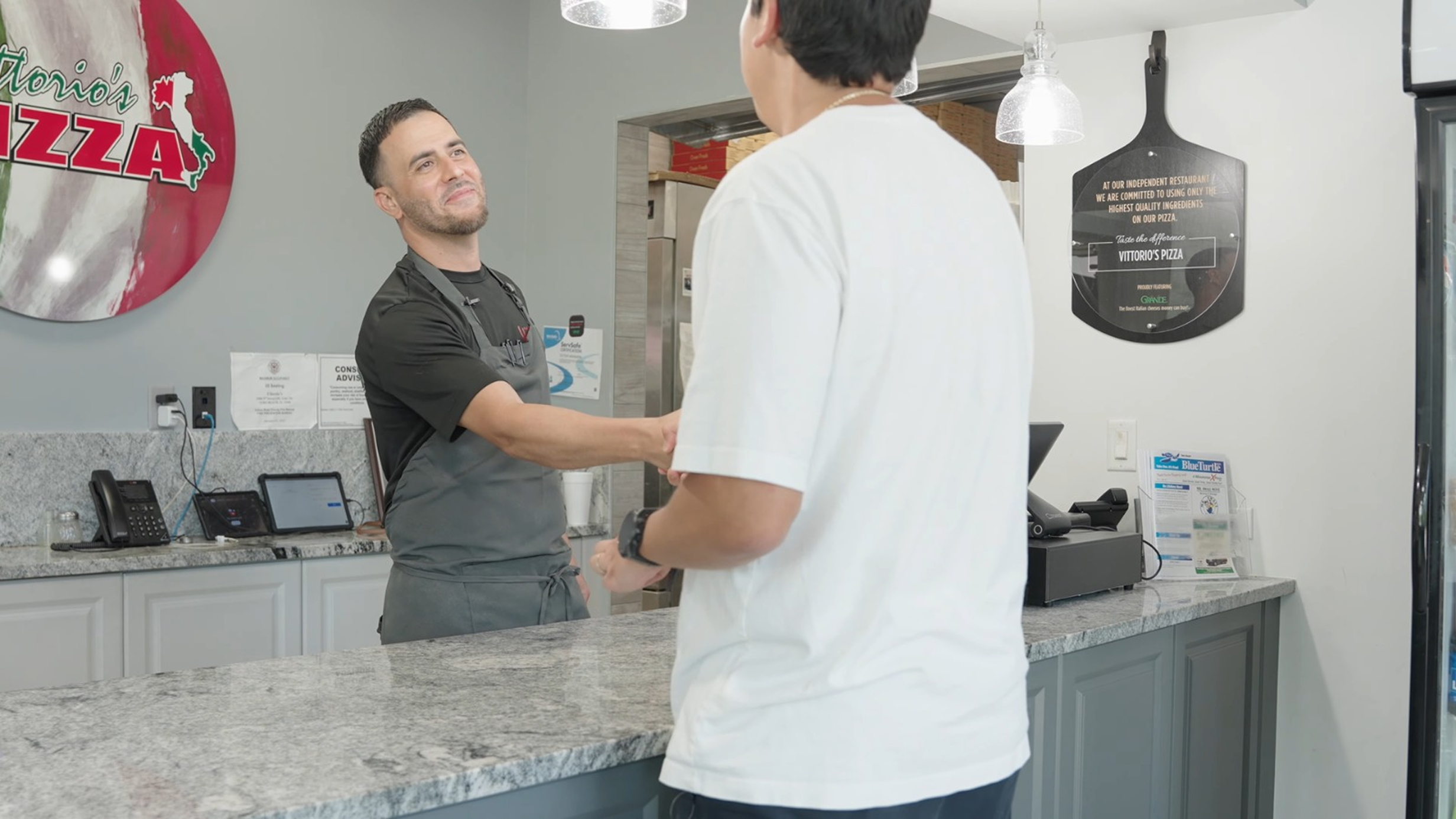
"You have somebody who can't make it tonight, or you have the person on hold for 10 minutes that's leaving you a Google review while they're on hold, screaming like, 'This pizza shop - I've called twice and I'm still on hold.' We have eliminated that."
For Vittorio, the phone problem wasn't just an operational headache. It was a direct hit to the guest experience, to his team's morale, and to his bottom line. Every missed call was a lost order. Every interrupted counter interaction was a customer who didn't feel prioritized. And training someone to be fast and confident on the phones - knowing the POS, the full menu, the flow of a high-pressure call - took 20 to 40 hours of labor before they could even hold their own.
"If you own a small business, a restaurant, whatever - we're all having the same problem. Finding good help is probably number one. Things have gotten more expensive. Minimum wage has gone up, food cost has gone up, and you start having a stress on who can do it better."
The first thing Vittorio noticed after going live with Loman wasn't a metric on a dashboard - it was a feeling. The phones stopped ringing.
"What's weird is being here on a Friday during rush hour and not hearing phones ring - just your printers going off ticket after ticket after ticket - and you're like, wow. That was the first little eerie change."
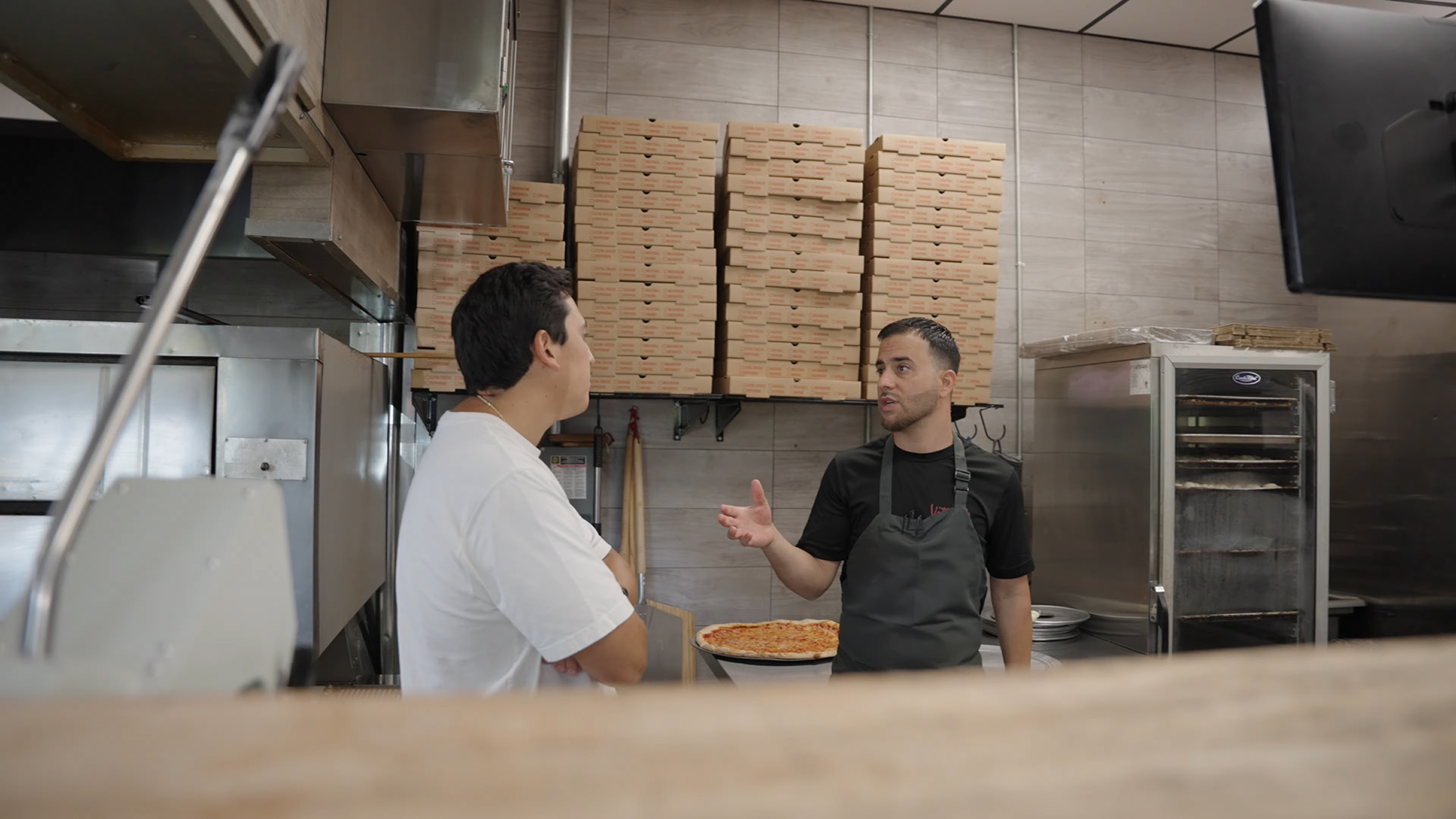
For a guy who's spent his entire career in kitchens where phones are part of the soundtrack, the silence was jarring. But behind that silence, orders were flowing in faster and more accurately than before. Loman was averaging about one minute and five seconds per call - compared to the roughly five minutes it used to take a staff member to answer, take the order, get payment info, and move on. The kitchen just saw tickets printing, same as always. No bottleneck. No chaos.
"Being on a Friday and just being able to communicate through the kitchen without phones ringing is very different. This has changed tremendously."
Vittorio and his team named their AI phone agent Chloe. It stuck. And what happened next caught even Vittorio off guard: customers started complimenting her.
"We'll get somebody come in and say, 'Hey, I spoke to Chloe. She was really friendly. She's so nice. She knew all the menu items.' And we kind of chuckle and tell them it's AI, and they're like, 'That was AI?' And then they'll be like, 'Oh my god, that's wild.'"
The team has even started getting positive social media reviews specifically calling out how friendly their "phone staff" is. Vittorio's not correcting anyone unless they ask. The experience speaks for itself - Chloe handles calls naturally, knows every item on the menu, and never rushes a customer or puts them on hold.
One thing Vittorio is clear about: Loman didn't eliminate anyone's job. It changed what those jobs look like. Instead of being tethered to the phone during every rush, his front-of-house team is now fully focused on the people standing in front of them.

"We didn't eliminate people's jobs. We just changed our focus from being on the phone to being ready when the customer walks in. And with that comes higher tips, more volume, better accuracy on phone calls, and no wait times."
That shift has had a compounding effect. Customers walk in and someone's immediately there to greet them. Orders get assembled faster because the staff isn't splitting attention between a phone and a to-go bag. Tickets from Loman come in clean and accurate, which means fewer kitchen mistakes and faster turnaround. The whole operation runs tighter.
"If you're able to get your order in faster and out faster, and when you walk through the door there's somebody waiting to greet you and get your order together - that is a home run every time."
Vittorio is already looking ahead. He and the Loman team are working together on features that would allow the AI to recognize repeat callers and personalize the experience - recommending items based on past orders, flagging preferences, and building the kind of relationship a great counter person develops over time.
"AI could recommend, 'Hey, you ordered knots the last three times,' or something like that, which is exciting because that's like the ultimate employee."
It's the kind of innovation that fits Vittorio's philosophy perfectly. The pizza stays the same. Everything else keeps getting better.

Vittorio Mangieri built his career on one belief: if the food is great, people will come. But in a world where labor is harder to find, costs keep climbing, and customers expect instant service on every channel, great food alone isn't enough. Vittorio recognized that early, revamped his operation, and partnered with Loman to handle one of the most persistent pain points in the restaurant business.
Six months in, the results speak for themselves. Faster calls. Cleaner tickets. Happier staff. Happier guests. And a Friday night rush that sounds like nothing but printers and kitchen chatter - exactly the way Vittorio wants it.
"We wanted less people to operate, pay higher wages to less people. And that's when we did some research. We started working together about six months ago, trying to figure out how to meet our needs and simplify everything. And we've done that working together with Loman."
Enter your information in the form to receive a call from Loman and place an order like a customer would!

