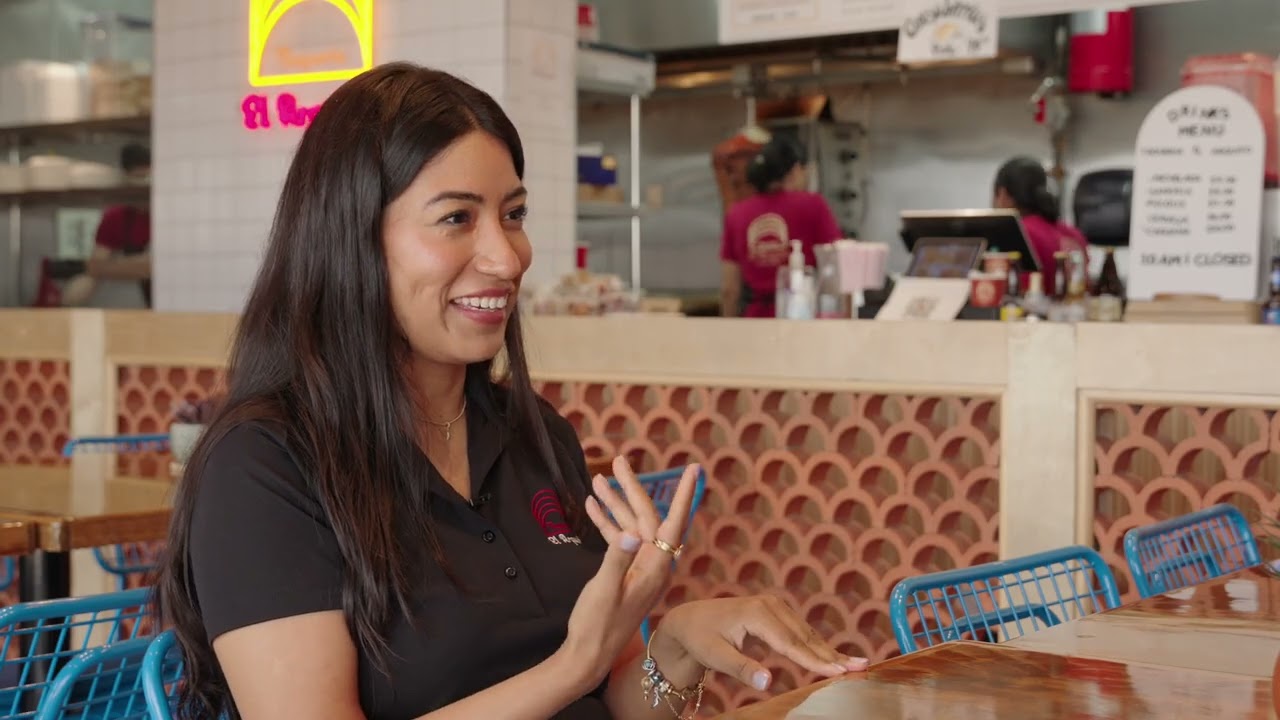
Nancy is one of the owners and the managing director of Taqueria El Arquito, a fast-casual Mexican restaurant in Dallas, TX.
Her job, as she describes it, is to make life easier for her staff and her customers. "I try to make it easier and faster for everybody, because we are a Mexican casual and it has to be fast."
Fast is hard when the phone never stops. Nearly half of Taqueria El Arquito's sales - 45% - come in over the phone, and about 85% of those calls are in Spanish. For years, that phone was both the restaurant's biggest sales channel and its biggest source of stress.
At Taqueria El Arquito, the lunch and dinner rush created an impossible choice. "Whenever we have a line and the phone is ringing, I ask my employees to make sure you take the order of the customer who is already here."
That was the right call for the guest in the building, but it punished the guest on the phone. "Sometimes the customer needs more time to order. Perhaps they have a lot of questions. The phone is ringing all the time, and then everybody gets more anxious and the customer gets moody."
The cost showed up in two places: lost orders, and lost customers. Callers left on hold hung up - "they don't like waiting a minute" - and some went further. "We were having a lot of customers complaining, giving us a one-star review because we wouldn't answer the phone or someone would leave them waiting."
Nancy knows exactly how that story ends, because she's lived it as a customer herself. "Me as a customer, I hang up the phone and I just don't order from the location anymore. So I not only lost the sales, but I probably lost customers because of that."
Nancy didn't pick Loman on price or features. She picked it on sound.
"I had a schedule with other companies, but none of them sound so natural. It made me feel safe as a customer that, okay, they're going to take my order. My order is going to be right. It built trust."
That natural delivery changed the experience on both ends of the line. In-store guests get served without interruption, and callers never feel like an inconvenience.
"My customers, some of them, they're taking their time without pressure to place the order, because the agent doesn't sound like they're rushing them. It sounds so natural, like I have all the time for you."
With about 85% of phone orders coming in Spanish, a Spanish-speaking agent wasn't a nice-to-have. It was the whole ballgame.
"I love the English version, but the Spanish version sounds like it goes with the flow to me," Nancy says.
Her staff felt the difference almost immediately. "When the Spanish came out, like two days after, they're like, 'We know.' Because our customers, they're not complaining anymore whenever they come here. It's been very helpful, and they feel a lot less anxious."
The angry calls and one-star reviews about unanswered phones stopped. And the team that used to brace for the phone ringing during a rush now lets Loman carry it.
Last month, Nancy noticed something she wasn't expecting: the upsells went up.
"We have customers calling every day. They're like, 'She really is pushing too hard to get a churro.' So I told her, just give me a churro."
She laughs about it now. "So it worked. It worked. I really love that, because my customer doesn't feel rushed to place the order."
Today, the phone is no longer the thing pulling Nancy's team apart during a rush. Loman answers every call, in English or Spanish, while the staff focuses on the line in front of them.
"It's helping me better my customer service, because it also helped my team focus more on the order and the customers who are here. It's less stress for them."
And the results speak plainly: a channel that was leaking 10-15% of its orders now produces three times the phone orders it did before.
"I would recommend Loman to any restaurant owner, especially the ones who take phone orders a lot. They're not going to regret it. It's a good investment."
Enter your information in the form to receive a call from Loman and place an order like a customer would!

