
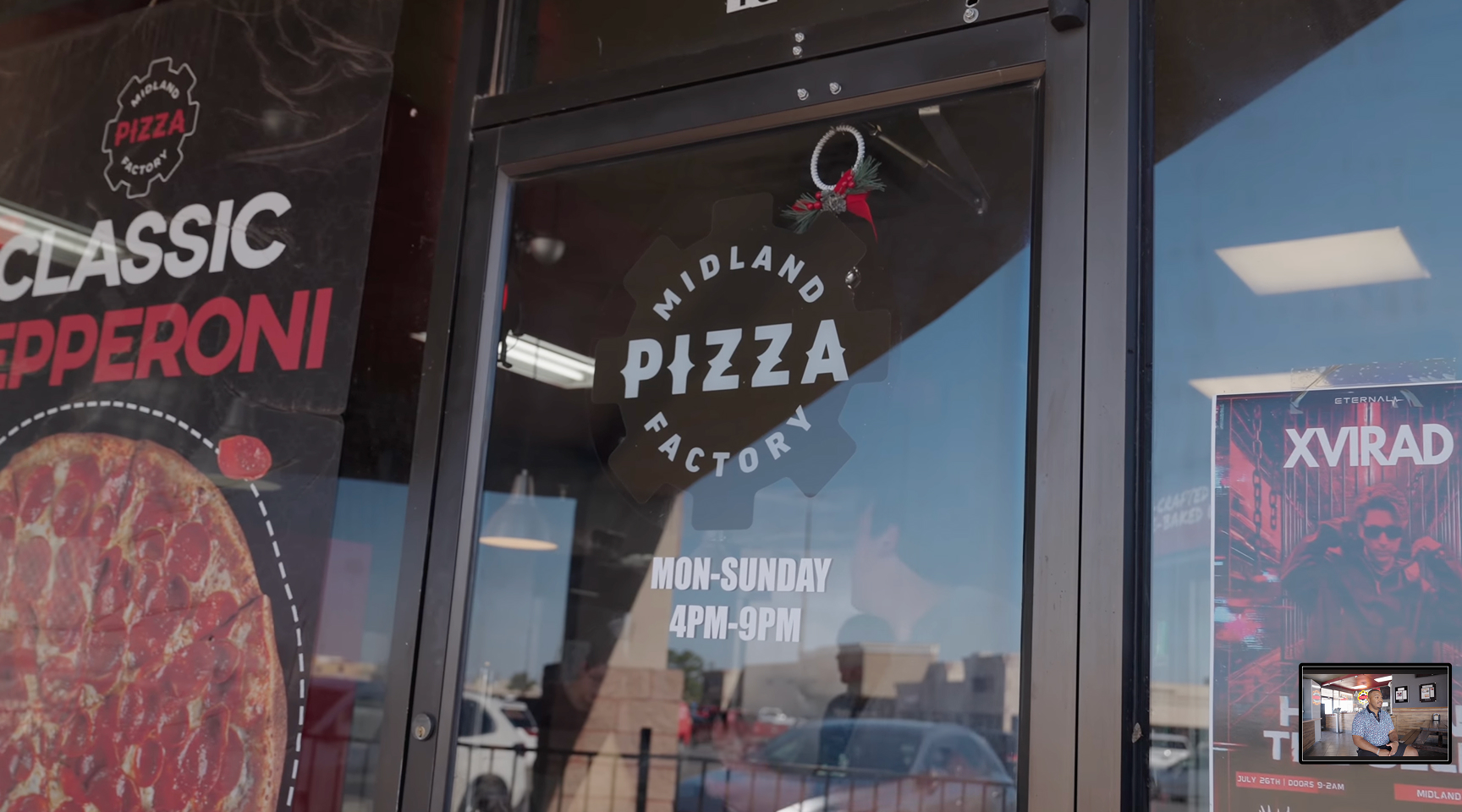
When Dru took a leap of faith and bought a small pizza shop in Midland, Texas, the first four months nearly broke him. Revenue was under $20,000 a month. He was draining his personal savings just to keep the doors open. He gave himself two months before he'd have to walk away.
Today, Midland Pizza Co. is pulling in over $1.4 million a year - open just five hours a day, Monday through Sunday. Dru credits a relentless focus on operational improvements and one decision in particular: handing his phones over to Loman.
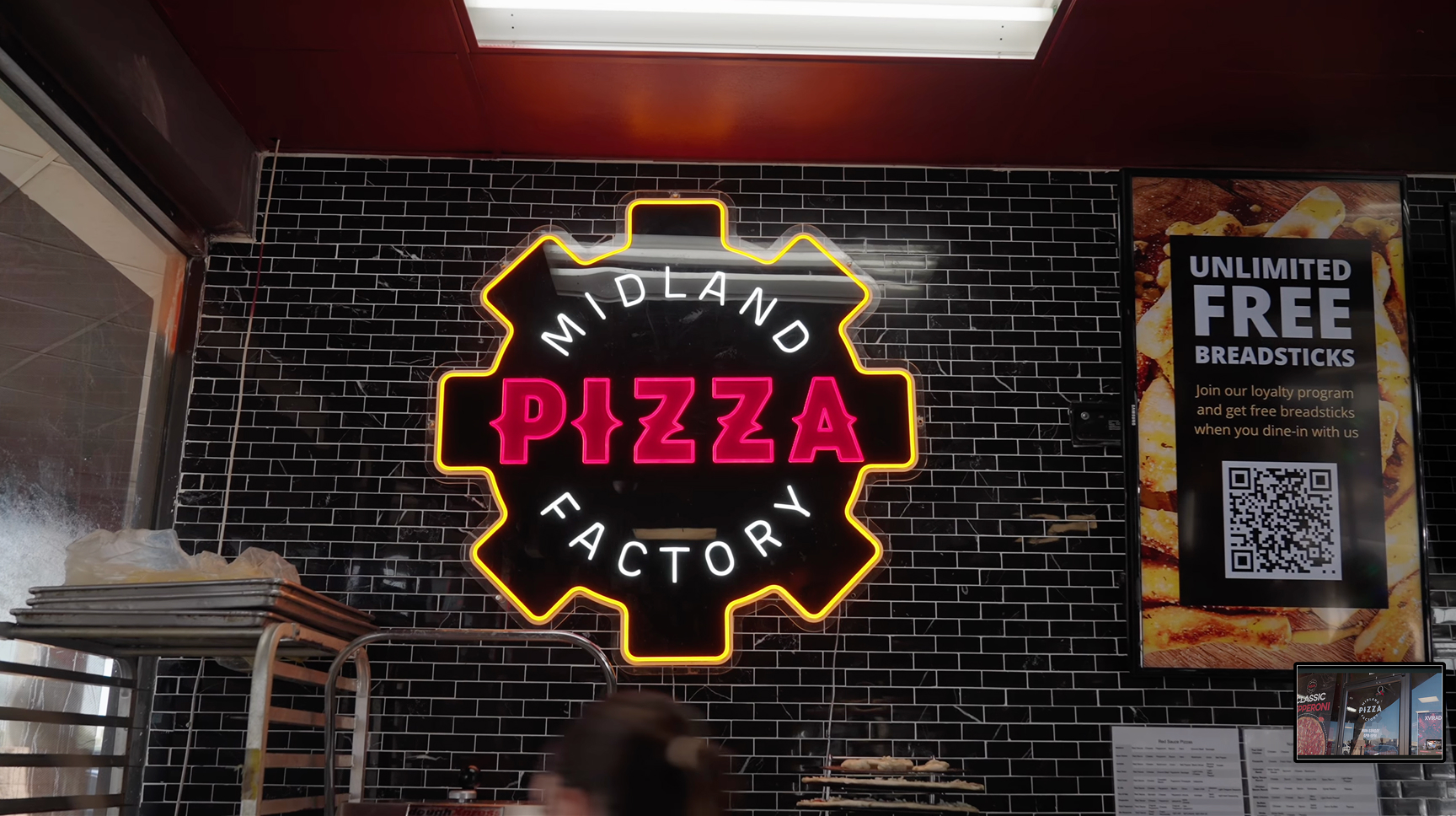
Dru didn't come from a restaurant empire. He was an independent operator trying to compete against well-established franchises in a West Texas oil town - and the early days were brutal.
"After putting cash flow into the business account, we had to dump out my last little piggy bank. I didn't tell the employees, but I was like, 'We got two months.'"
Dru started attending food conventions and pizza expos, hunting for anything that could give his small shop an edge. He went to Vegas and came back with a handful of new tools and strategies. The month he implemented those changes, revenue jumped to $40,000-$50,000. But as business grew, a new problem surfaced - one that nearly every high-volume restaurant faces but few talk about openly.
The phones were killing his operation.
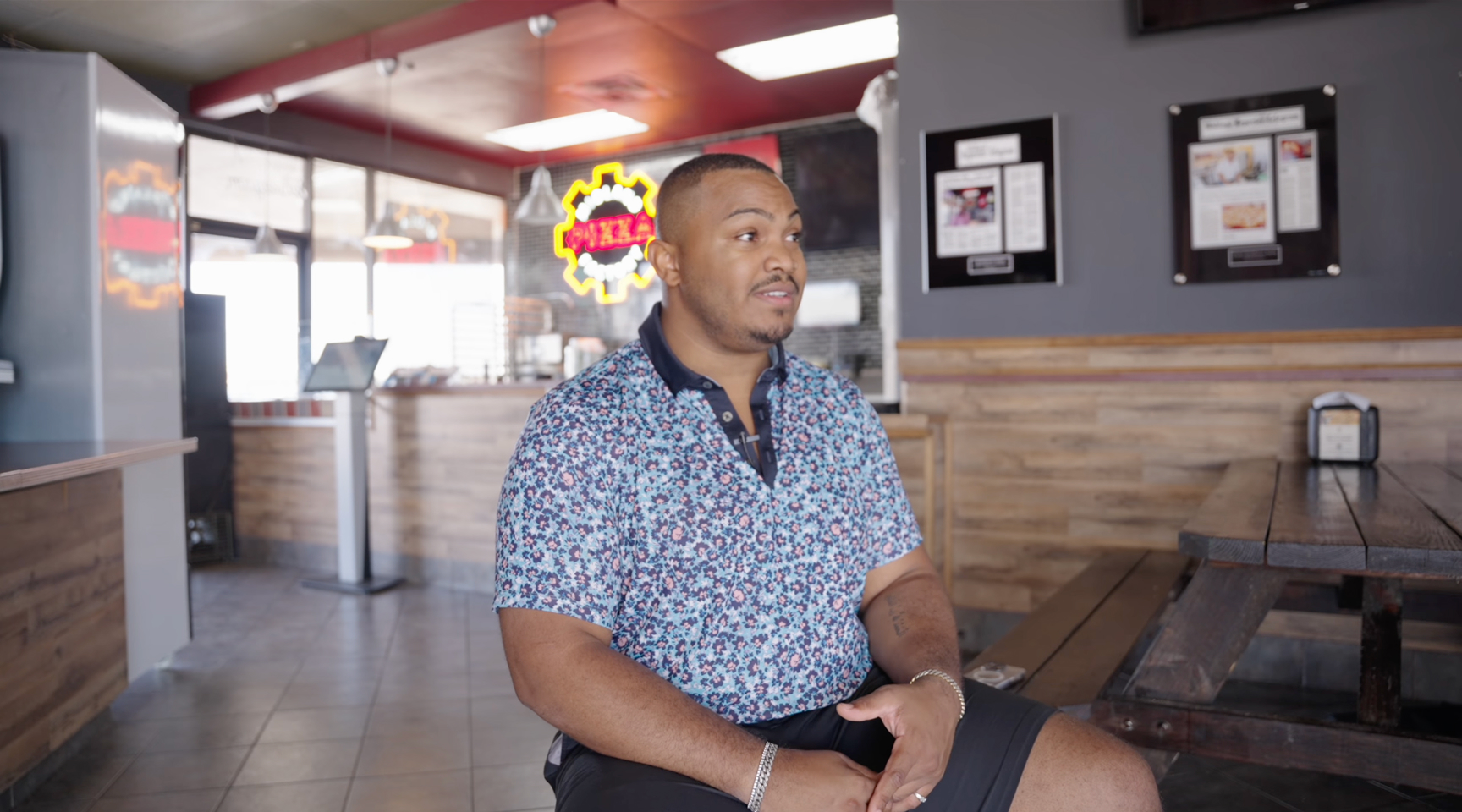
"Before Loman, it was impossible to take every single phone call," Dru says. "Employees were stuck to the phone the whole entire shift. If someone walked in, we couldn't even check that customer out because the register was being used by the person on the phone. Customers trying to get a price, trying to pay - it was a big bottleneck."
Staff were calling people back between rushes. Orders were slipping through the cracks. And every time the phone rang during a dinner rush, someone got pulled off the floor. For a lean team trying to keep up with growing demand, it was unsustainable.
Dru discovered Loman at one of the industry events he'd been attending and saw an opportunity to solve his phone problem without adding headcount.
"Loman became the instant hero for the restaurant," he says. "Say an employee is getting paid $3,000 a month - switching to Loman is $300 a month."
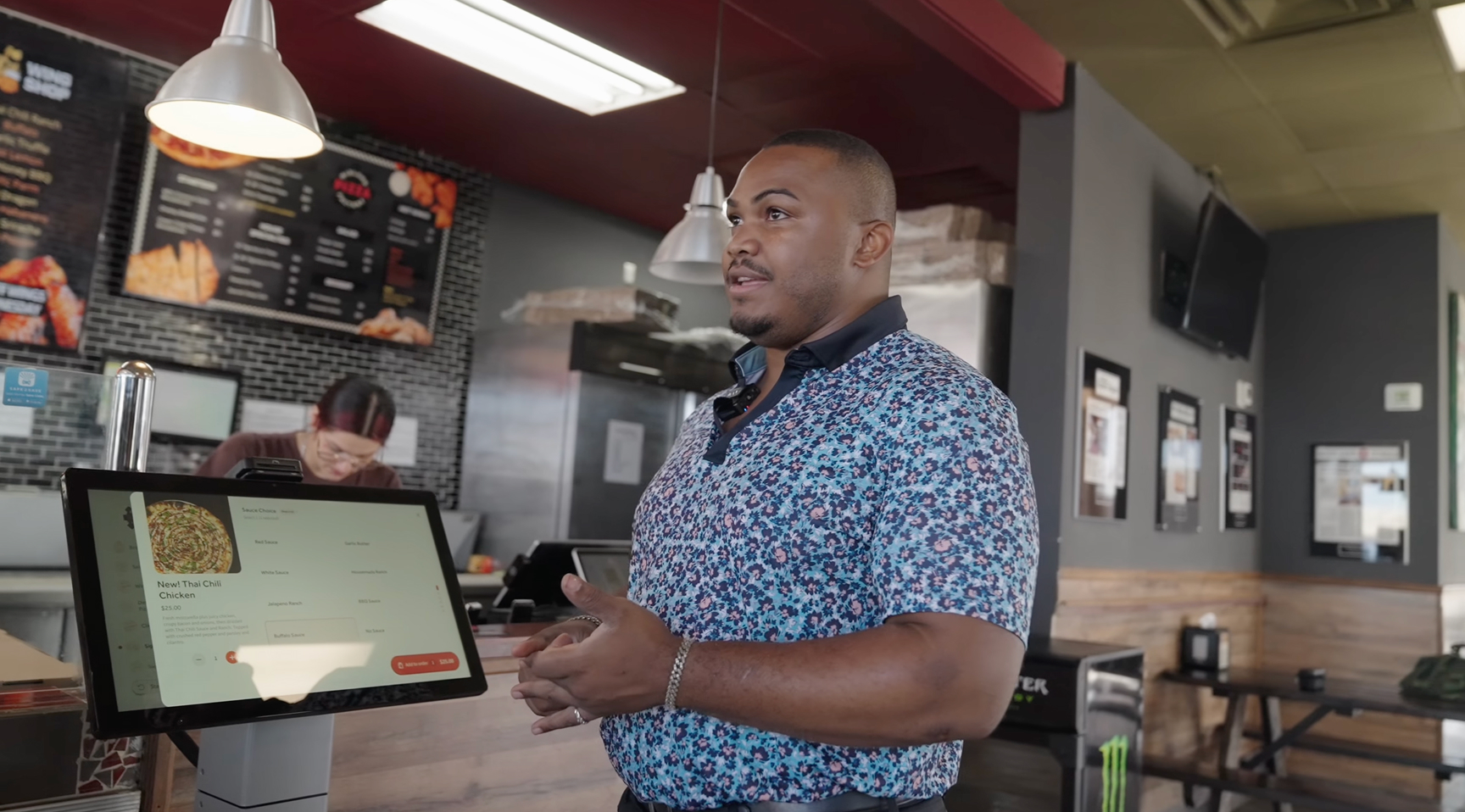
But the savings went deeper than just replacing a position. With the phones handled, Dru was able to reinvest that labor budget back into his existing team.
"Now I'm able to pay the employees more, so we have better employee retention. Employees are happier, they're getting paid more, and it's less stressful. That's the biggest thing - making the work environment stressless, even though it's busier."
Midland Pizza Co. is doing significantly more volume than before Loman, but Dru says the floor feels calmer. No phones ringing in the background. No one abandoning the register mid-transaction to take a call. No training someone on phone etiquette just to have them quit two weeks later.
"That's one less position that has to be trained," he adds.
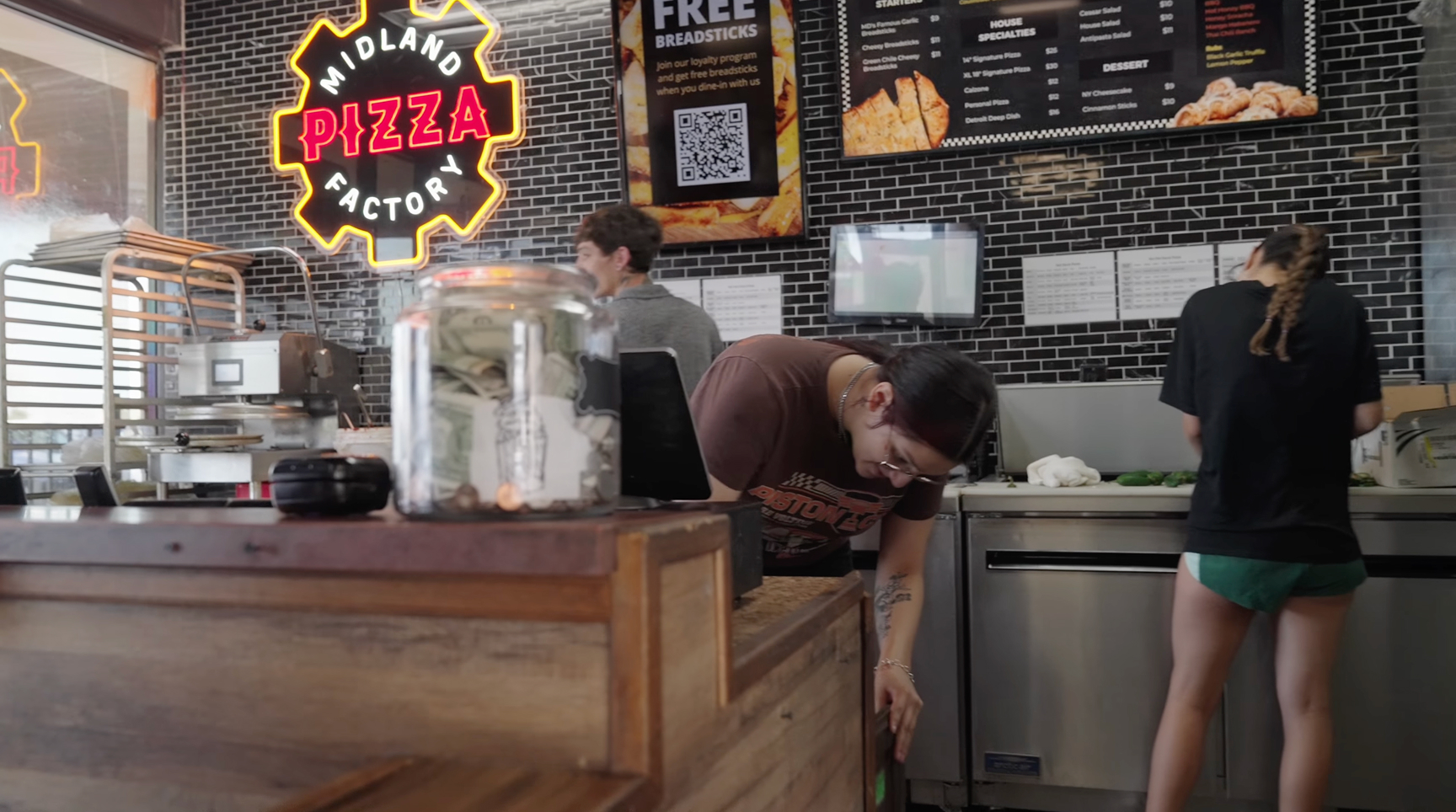
One of the things Dru values most is the consistency Loman brings to every single customer interaction.
"Customer service with Loman - you can always count on it. She's going to answer the phone, be respectful, get every single thing right. She's going to ask multiple times, verify, and confirm. She's very thorough. It's like perfect customer service - the kind you the owner would do. Probably even better than me, honestly."
With Loman handling unlimited simultaneous calls, Midland Pizza Co. never sends a customer to voicemail - not during the Friday dinner rush, and not at 10 AM on a Tuesday when the shop is still closed.
"Even in the morning when we're not open, every single call is logged - you can go back on the website and listen to it," Dru explains. "If there's a mistake or a customer is asking something specific, I can always go in and edit and make changes."
Beyond answering calls, Dru uses Loman's dashboard to make sharper business decisions - particularly around staffing and store hours.
"I can see call volume throughout the whole day. So if I need to decide whether to change my store hours from 3 to 4, I can see how many calls are coming in during that window. If I'm getting 10 to 20 calls, maybe we open an extra hour early."
That kind of visibility helped Dru make a counterintuitive move: he actually cut his hours. Midland Pizza Co. went from being open most of the day to operating just five hours - 4:00 to 9:00 PM, seven days a week. Revenue didn't drop. It climbed.
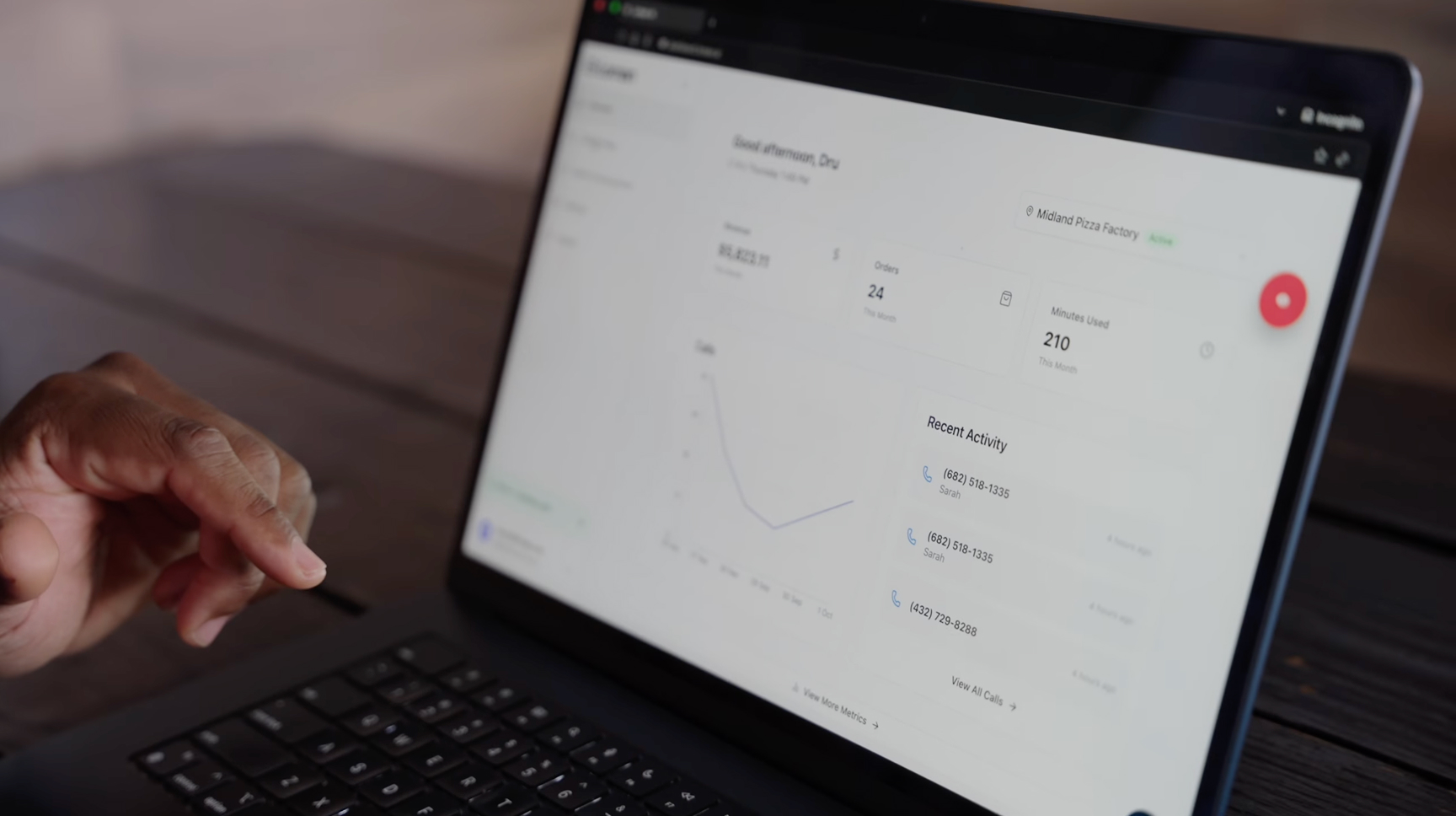
"Now we're sitting at a little over $1.4 million in sales opening just five hours," Dru says. "Loman has easily paid for itself 10 times, 100 times over."
Dru's story is the kind every independent restaurant operator can relate to: an owner doing everything themselves, stretched thin, competing against brands with deeper pockets and bigger teams. What changed wasn't the menu or the location. It was eliminating the invisible revenue leak that most restaurants don't even realize they have.
For Dru, the math is simple.
"With Loman answering the phones, if I didn't have it, I'd be losing out on over $200,000 a year. Paying $300 a month is a no-brainer."
Enter your information in the form to receive a call from Loman and place an order like a customer would!

