
Nathan DeCheco bought DeCheco's Pizzeria from his parents in 2014. Back then, the operation ran on a cash register and hand-written tickets. There was one phone line, call waiting, and a whole lot of chaos.
"Phone call after phone call, we had call waiting. It was kind of a nightmare," Nathan recalls.
As the business grew - from that original location in Akron, Ohio to what will be six locations by the end of this year - the phones only got worse.

Nathan brought in Cory O'Connor, his former Cisco rep turned COO and close friend, to help professionalize operations. Together, they've scaled DeCheco's from two stores to six while building a team and culture they're proud of. But the one problem that kept compounding with every new location was the same one they'd been fighting since day one: the phones.

Around 2019, as DeCheco's started getting significantly busier, Nathan reached out to Pizza Cloud for a phone system that could at least put callers on hold. It was an improvement over the single-line setup, but it didn't solve the core problem.
"To be honest with you, it's Friday night, you're getting 100-plus orders over the phone, and people don't want to hear hold music. They just don't." - Nathan DeCheco
The issue ran deeper than customer frustration. Every time the phone rang during a rush, someone had to stop what they were doing to answer it. Staff members were being pulled off the line mid-order, trying to take phone calls with a loud kitchen in the background while rushing to get back to executing tickets.
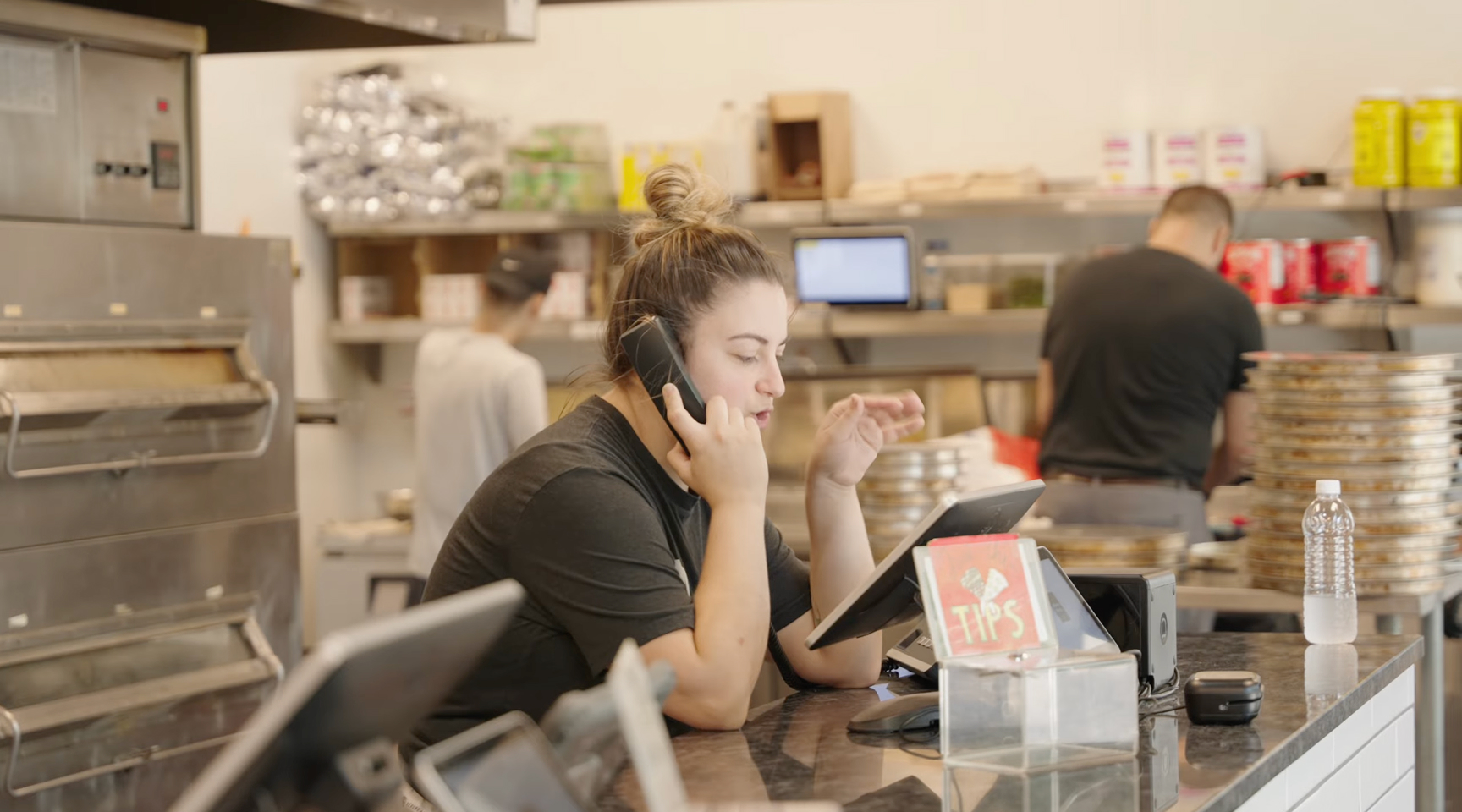
"When someone's calling in and we're going to be the ones answering, you've got a loud background, somebody's rushing to get to the phone, and you're executing as many orders as you can," Cory explains. "We need to give our employees as many tools as possible to keep their hands - with gloves on - executing orders."
The impact was everywhere: slower execution in the kitchen, a worse experience for the customer on the phone, and an employee who was now doing two jobs at once instead of one job well. For a growing multi-unit pizzeria doing heavy phone volume, it was unsustainable.
Nathan and Cory weren't looking at AI phone technology as a novelty. They saw it as an inevitability - and they wanted to be early.
"Our philosophy was always that we're not sure when AI phones will take over, but it's coming. It's adapt or die, and we want to be on the front end of it." - Cory O'Connor
That mindset led them to Loman. Rather than waiting for the technology to mature and watching competitors move first, Nathan and Cory decided to give their customers and staff a better experience now.
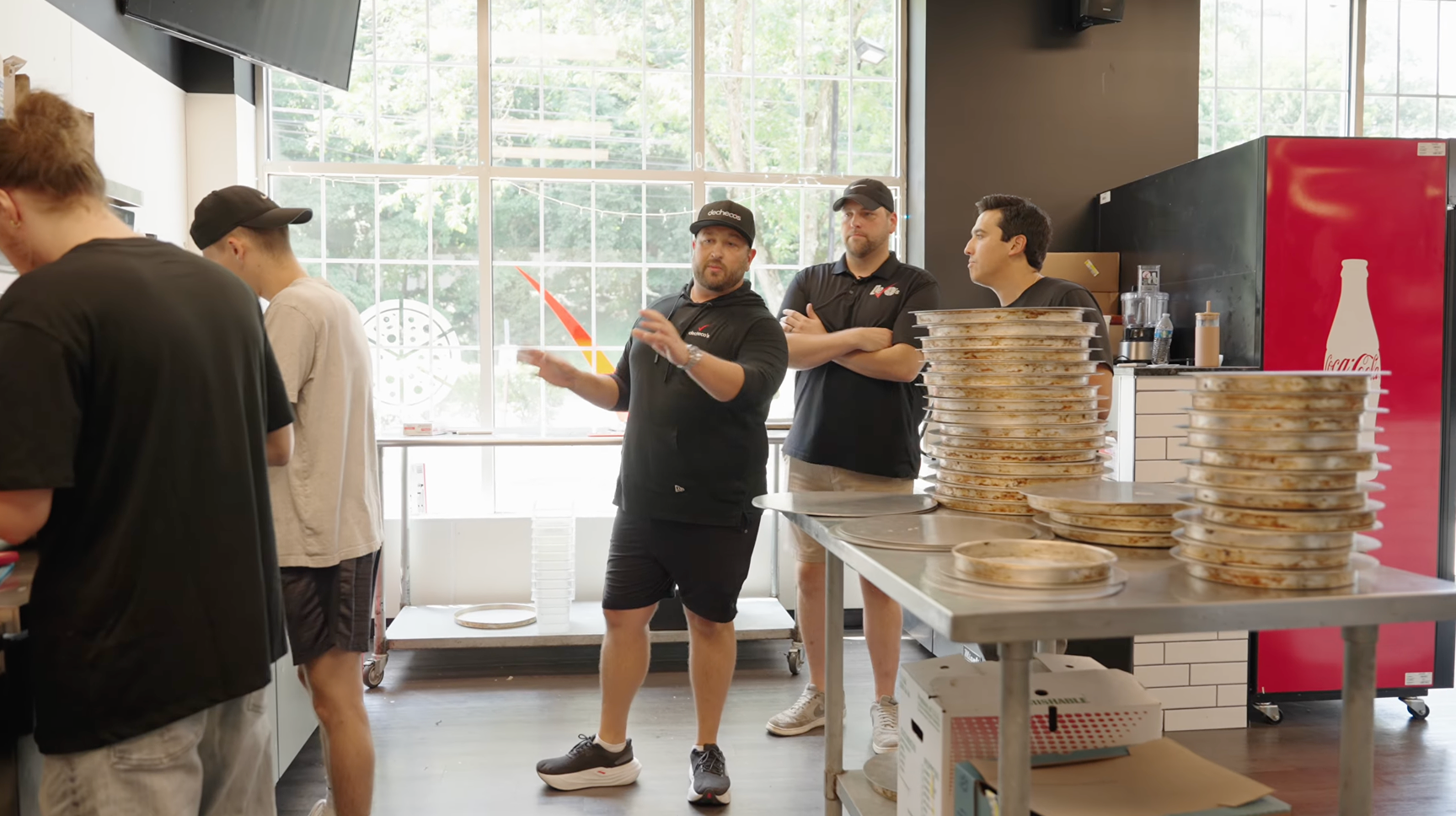
The difference was immediate. With Loman handling inbound calls, DeCheco's Friday night rushes transformed from controlled chaos into something far more manageable.
"A Friday now that we have Loman is so much easier - easier on the staff, easier on the customer, and to be honest with you, easier on my pockets, because I can actually employ one less person who doesn't need to stand there and just wait on the phone. That's huge to me." - Nathan DeCheco
For a multi-unit operator watching labor costs across six locations, that math adds up fast. One fewer person per shift, across multiple stores, without sacrificing the customer experience - that's a meaningful operational improvement.
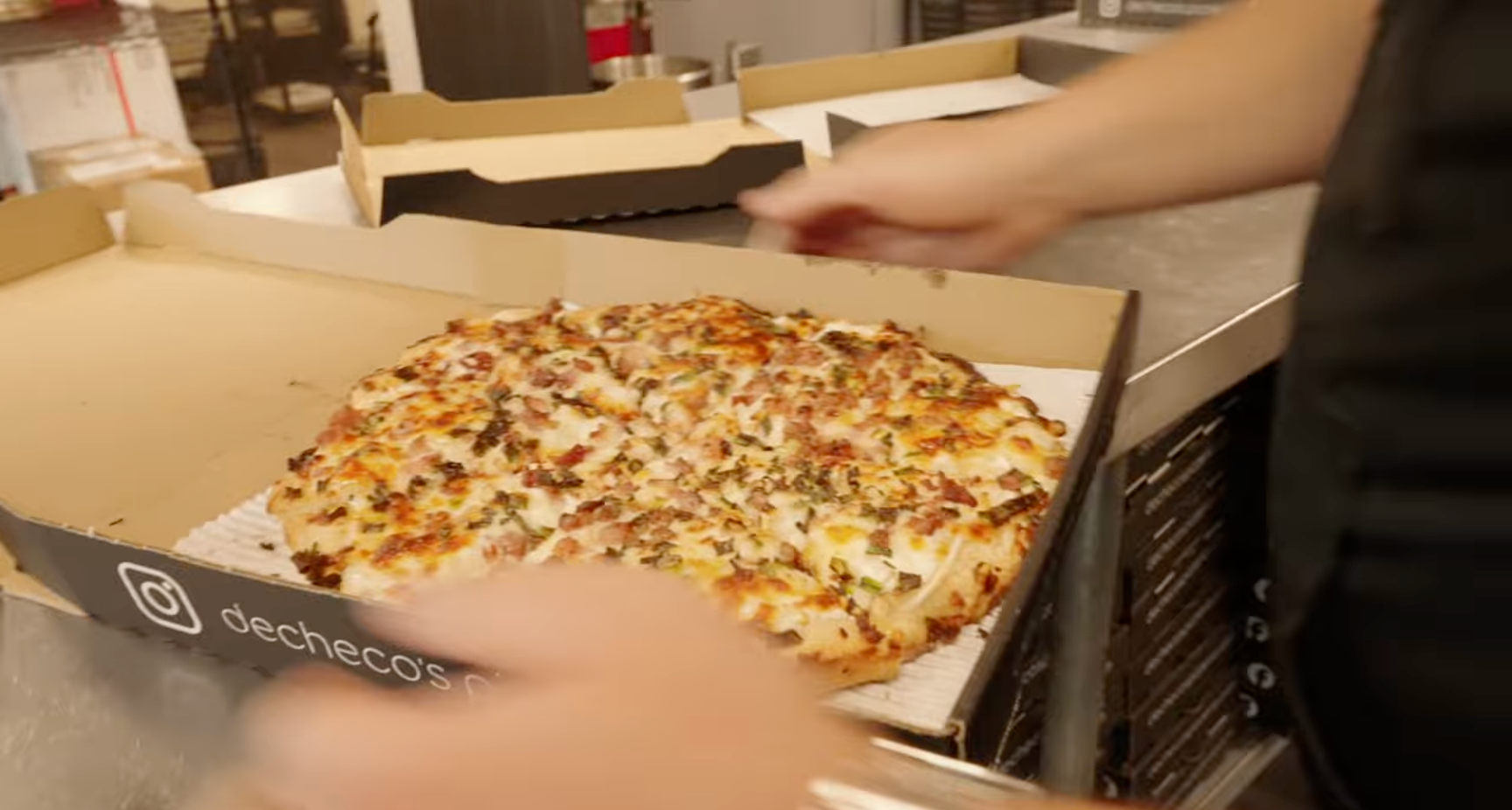
Beyond labor savings, Cory points to something that directly impacts the kitchen: order accuracy. When a frazzled employee takes a phone order mid-rush in a loud kitchen, mistakes happen. Wrong toppings, missing items, misheard names. Those mistakes cost food, cost time, and cost customer trust.
"Loman has done an amazing job checking the order and making sure that everything's right on all of the details before it's submitted, so that our team gets a really clean report of what that customer wants. The execution on the back end is just perfect." - Cory O'Connor
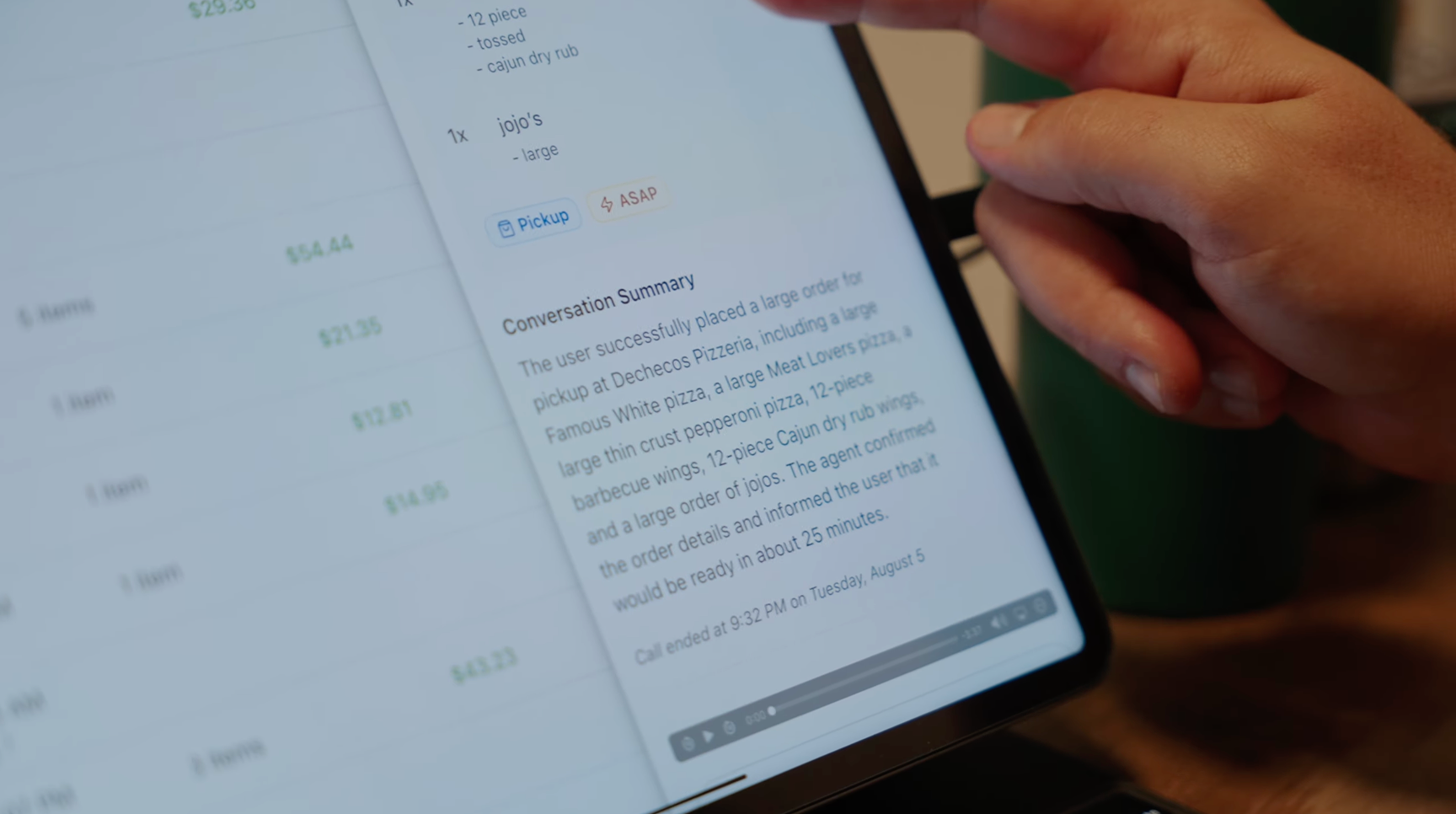
With every call being answered instantly - no hold music, no rushed employee, no busy signal - the customer experience on the phone improved dramatically.
"The volume of complaints or issues or disgruntled customers have gone way down - drastically down. Nobody wants to wait on a phone to place their order for their food that they want now." - Cory O'Connor
One of the things that stands out about how Nathan and Cory talk about Loman is that they don't really call it Loman. They call her Ally. And they talk about her like a member of the team.
"Loman to me is not Loman. Loman is Ally. Ally is my girl. That's who we place our orders from. She is an employee." - Nathan DeCheco
It's more than a nickname. It reflects how deeply the tool has been integrated into DeCheco's daily operations - and the trust they've placed in it.
"Ally never calls off. She answers every phone call. She'll answer and help customers. She never gets mad. She always keeps the same temperament and the same demeanor," Nathan explains.
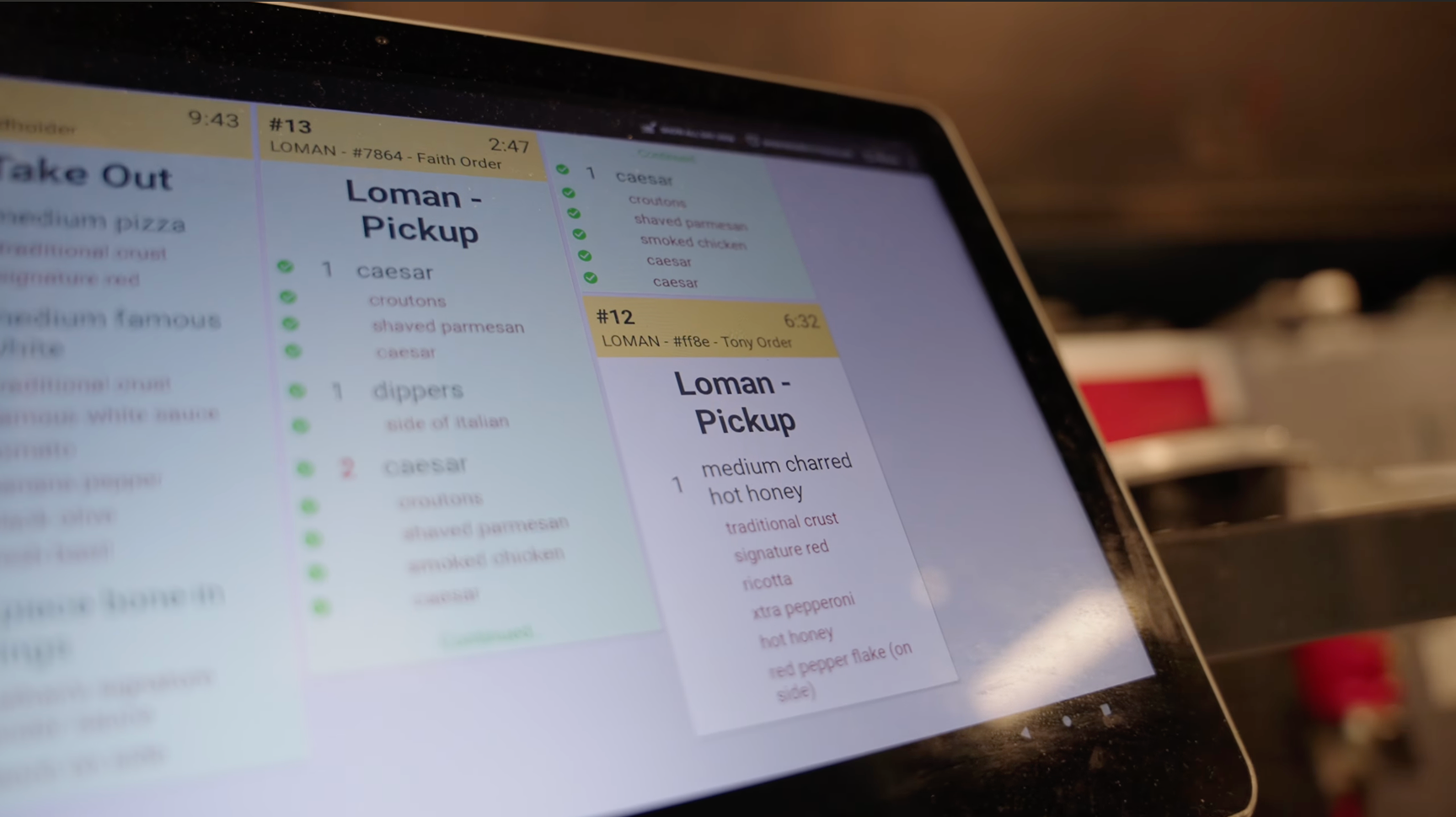
There's a practical edge to that consistency, too. Nathan is honest about a reality most restaurant operators know well: not every great kitchen employee is great on the phone.
"We have some absolutely outstanding employees that are just not very personable, and that's something you can't really teach," he says. "Loman - you don't have to teach it. We taught it once and then Loman understands."
Beyond the operational improvements, Nathan keeps coming back to one scenario that perfectly illustrates the revenue Loman unlocks - revenue that DeCheco's was never able to capture before.
"You're the secretary at a business down the road and you've been tasked with feeding 25 people for lunch, and you want to call at 9:00 a.m. to get a really nice lunch order placed. Well, now you can get that order placed and submitted where our team can walk in and execute it. Otherwise, we're missing those orders." - Nathan DeCheco
Before Loman, that call went to voicemail. The secretary called somewhere else. The order was lost before DeCheco's staff ever clocked in.
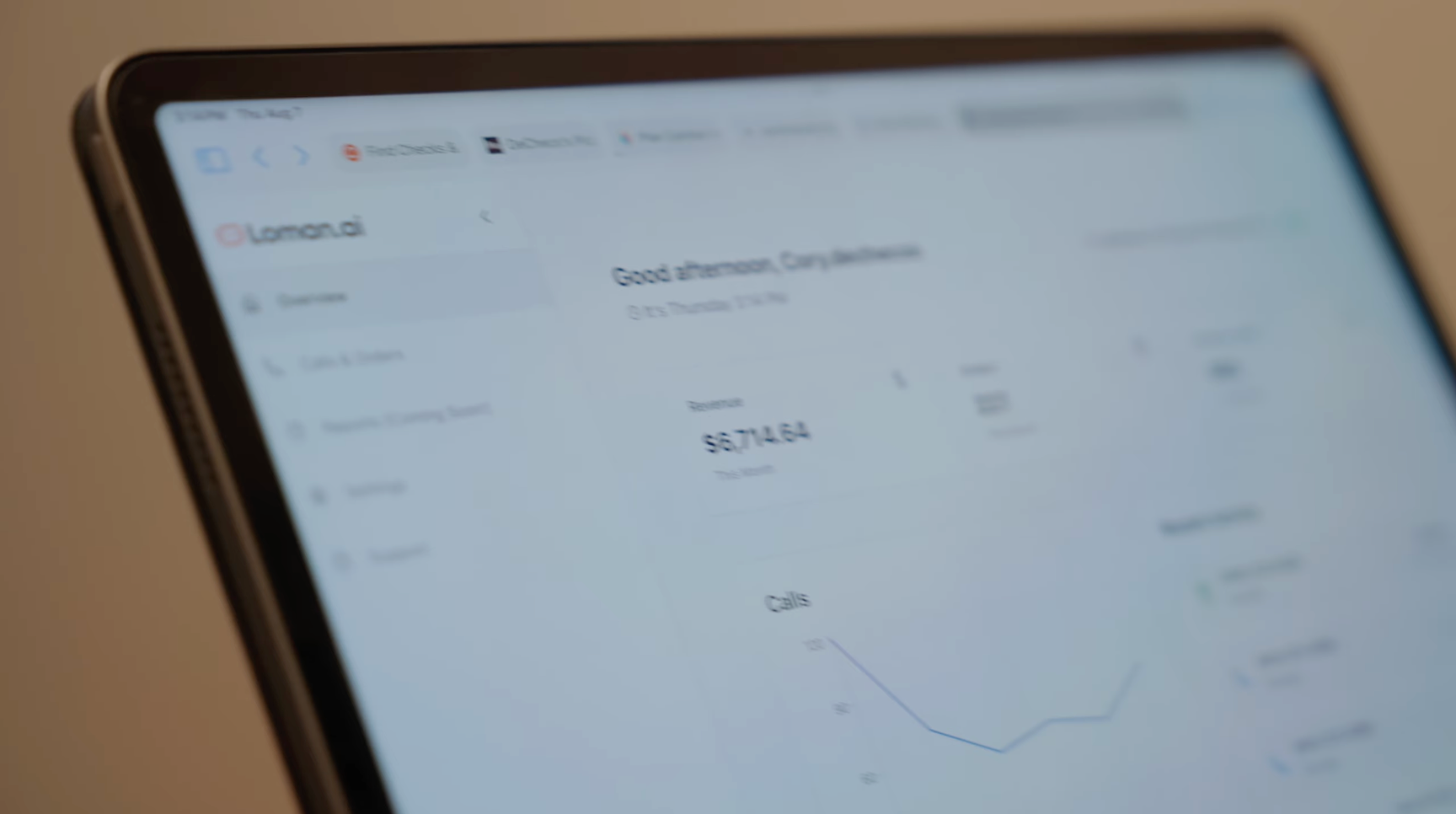
"I can't put a number on how many dollars that is a year," Nathan admits, "but I know we don't have to worry about that anymore."
With Loman answering around the clock, DeCheco's captures orders before they open, after they close, and during every rush in between.
As Nathan and Cory continue to scale DeCheco's toward six locations by year's end, Loman has become a core piece of their operational playbook - not a nice-to-have, but a foundational tool that makes growth possible without ballooning headcount.
"No matter what the economy looks like, people are still going to have their pizza night. So they're going to spend their money. Give them every reason to spend it with you." - Cory O'Connor
For DeCheco's, that starts with answering the phone.
Enter your information in the form to receive a call from Loman and place an order like a customer would!

