
When the phone rings at 8 PM on a Saturday and your kitchen is backed up, your host is seating a party of ten, and your servers are mid-rush, someone still has to answer it or you lose that order forever. The problem is that answering it means pulling focus from paying customers who are sitting right in front of you. Complete AI phone answering for restaurants solves this by handling calls end to end without touching your team, but the difference between a system that works and one that creates new headaches comes down to a few key things. Here's the breakdown.
TLDR:
Every unanswered call at a restaurant is money walking out the door. The average restaurant misses around 150 calls per month, and across the industry that adds up to roughly $20 billion in lost revenue every year.
The problem gets worse during rush hour. Restaurants miss a large share of incoming calls at peak times, when phones ring fastest and staff are stretched thinnest. Waiting for customers to call back? Only 1 in 3 callers ever tries again. The other two move on.
The real cost of a missed call is an order that never happened, a reservation that went to a competitor, a guest who chose somewhere else and never looked back.
AI phone answering handles every call 24/7 without pulling a single staff member away from the floor. The system greets callers, answers menu questions, takes orders, processes reservations, and routes anything complex to the right person.
For restaurants, that means a few things in practice:
The result is consistent, calm call handling that keeps guests happy and tickets moving regardless of what's happening on the floor.
POS integration makes AI phone answering useful. Without it, your AI agent operates in a silo, unable to confirm wait times, check order history, or sync reservations with your actual seating data.
Loman connects directly with major POS systems, including Toast, Square, and Clover. When a caller asks about their previous order or wants to place a new one, the AI pulls live data from your POS instead of guessing.
Here is what that integration makes possible:
Setup typically takes under 24 hours, and no dedicated IT support is required.
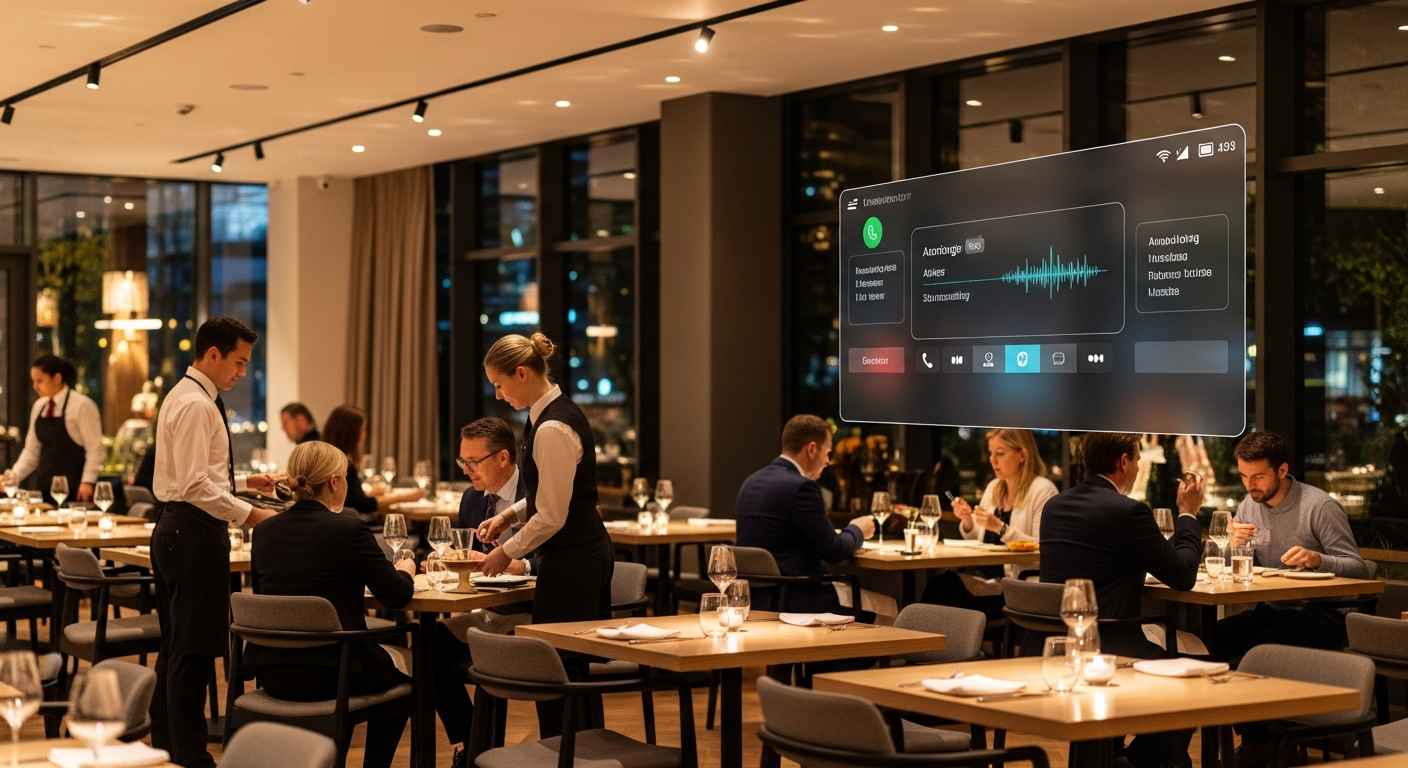
Any AI phone solution for restaurants needs to clear a few baseline bars before anything else matters.
The core capabilities that separate real solutions from gimmicks:
Restaurants that miss a high share of incoming calls during peak hours need a solution that can handle more than simple inquiries. The standard has to be higher. A capable AI phone system should hold up under a Friday night dinner rush just as well as a quiet Tuesday afternoon.
| Capability | Loman AI | Generic Voice AI | Traditional Phone System | Hiring Additional Staff |
|---|---|---|---|---|
| Order Taking Accuracy | Full menu with modifiers, substitutions, and special requests written directly to POS | Basic orders only, manual re-entry required, frequent errors on complex requests | Requires staff availability, accuracy drops during rush | Variable depending on training and experience level |
| POS Integration | Native integrations with Toast, Square, SpotOn, Clover, SkyTab, Aloha, Olo, Stream, OpenTable | Limited or no direct POS connectivity, requires middleware or manual entry | No integration, all orders manually entered | Manual POS entry by staff member |
| Call Capacity | Unlimited simultaneous calls, no busy signals ever | Limited concurrent call handling, often single-line | One call at a time, others go to voicemail | One call per staff member, limited by headcount |
| Availability | 24/7/365 coverage with no gaps, holidays, or sick days | 24/7 if configured, but often lacks after-hours context | Business hours only unless staff scheduled | Scheduled hours only, requires coverage planning |
| Upselling | Consistent upsell prompts on every single call with relevant suggestions | Inconsistent or generic upsell attempts | No upselling capability | Depends on training and whether staff remembers during rush |
| Setup Time | Under 24 hours with menu upload and custom call flow configuration | Several days to weeks for training and integration | Instant but requires ongoing staff management | 2-4 weeks for hiring, onboarding, and training |
| Monthly Cost | Fixed subscription, scales with call volume and features | Variable, often per-minute pricing plus setup fees | Line rental plus missed revenue from unanswered calls | $2,500-$4,000 per month per full-time employee including benefits |
Restaurants using AI phone answering create measurable changes in how their staff spends time. When the phone stops pulling team members away from the floor, the ripple effect touches service quality, table turns, and order accuracy all at once.
Staff at busy restaurants can field dozens of calls per shift, many of them repeating the same questions about hours, reservations, and menu items. Redirecting that time back to in-house guests is one of the clearest wins operators report after switching to AI call handling.
This can lead to leaner staffing needs, lower training overhead for phone duties, and a quieter, more focused service environment.
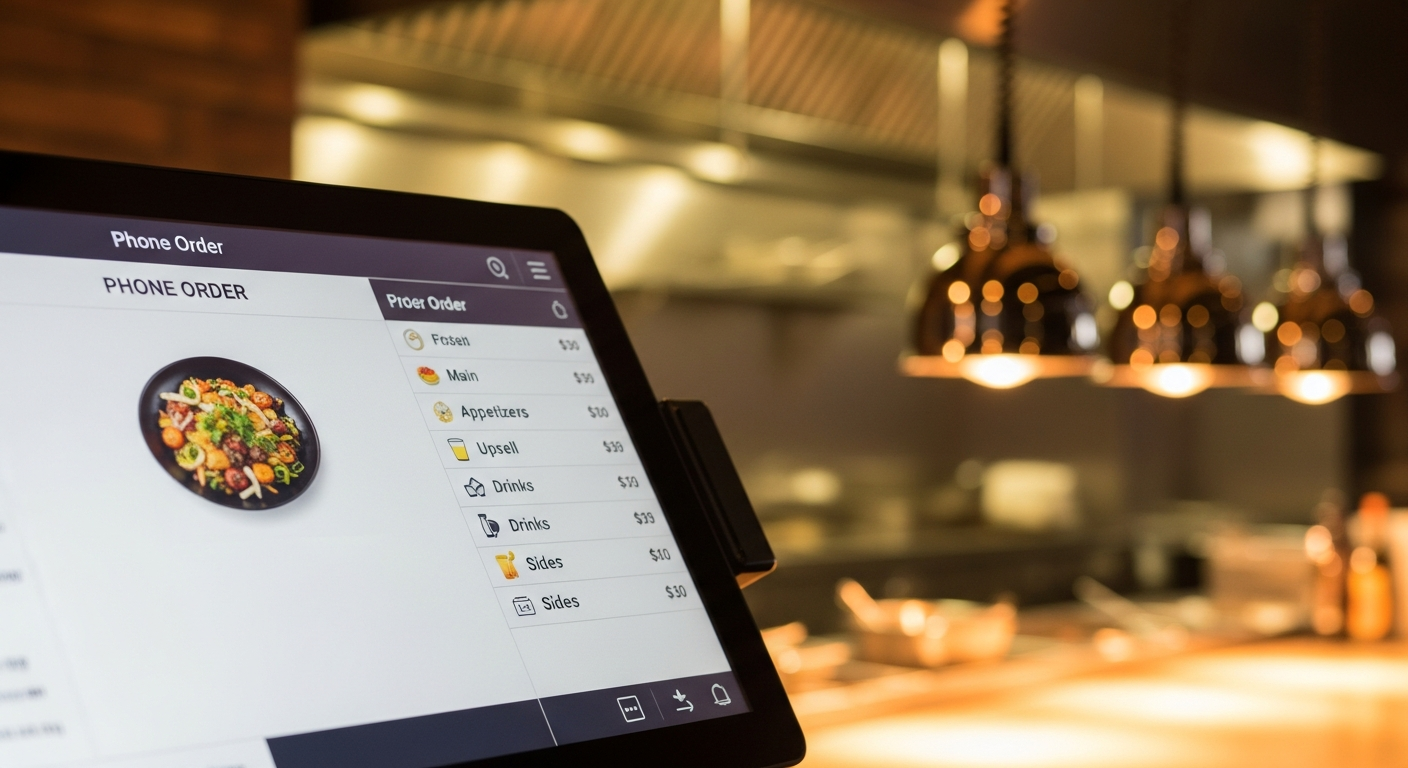
Phone orders carry a natural revenue edge: the average phone order runs $48, compared to $41 online, a 17 percent difference that compounds across a full week of service.
Loman's upsell engine pushes that gap further. Every call gets a relevant add-on prompt, whether a drink, a side, or a size upgrade, with no exceptions and no forgotten suggestions.
The results from real restaurants back this up. Midland Pizza Co. estimated losing over $200,000 annually before switching. Tony Boloney's now captures 75 to 100 extra orders per month per store. More calls answered, higher ticket size adds up fast.
Operators researching AI phone answering tend to have the same questions. Here are the most common ones, answered directly.
Leading systems handle accents and complex orders with high accuracy. The best systems are trained on restaurant conversations, which makes a meaningful difference over generic voice AI.
Most restaurants are live within 24 hours. Menu uploads, hours, and custom call flows can typically be configured without any coding.
A well-designed system knows its limits. It will collect the caller's information and route the call appropriately, without guessing or dropping the line.
Pricing varies, but AI answering is generally far cheaper than hiring additional front-of-house staff. Most operators recover the cost quickly through reduced missed calls and higher order volume.
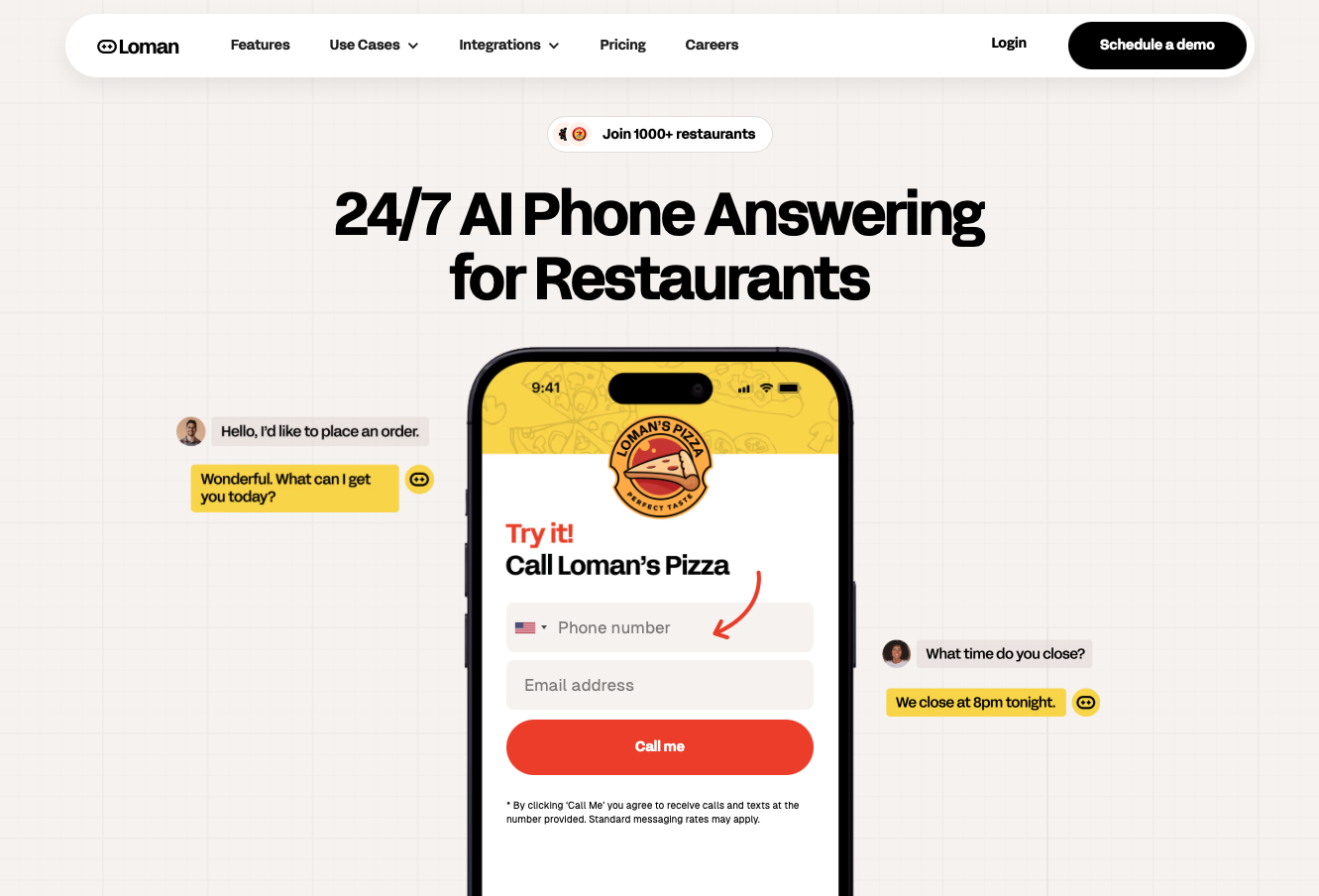
Most AI phone solutions handle one thing passably. Loman was built to handle everything restaurants need.
The integration list alone makes the case: Toast, Square, SpotOn, Clover, SkyTab, Aloha by NCR, Olo, Stream, and OpenTable. Nine native connections covering the POS and reservation systems running most of the country's restaurants. That breadth means orders flow directly into your kitchen, menu changes reflect in real time, and reservations sync without anyone touching a keyboard.
Beyond integrations, Loman takes complete orders with full modifier support, upsells on every single call, handles unlimited simultaneous calls so a Friday rush never costs you a sale, and supports multi-location groups with per-store menus and roll-up analytics.
Yes. Leading restaurant AI systems like Loman take full orders with modifiers, substitutions, and special requests, then write clean tickets directly into your POS without staff re-entry. The best systems are trained on restaurant conversations, which makes them accurate with accents, background noise, and complex menu items.
AI phone answering costs less than hiring additional staff and covers every call 24/7 without sick days or training overhead. Staff at busy restaurants field dozens of calls per shift, and redirecting that time back to in-house guests improves service quality and table turns while cutting labor costs by up to 17%.
Most restaurants go live within 24 hours. Menu uploads, hours, and custom call flows get configured without coding, and deep POS integrations typically sync in under a day with no dedicated IT support required.
Well-designed systems know their limits and route the call appropriately. The AI collects the caller's information and hands off to staff with context instead of guessing or dropping the line, which keeps edge cases and unhappy callers from falling through the cracks.
You're already losing money on calls that go to voicemail during dinner rush, and complete AI phone answering for restaurants stops that bleed immediately. Loman pushes orders directly into your POS, syncs reservations with your actual availability, and keeps your team focused on guests instead of the phone. Worth checking out a demo to see how it handles your specific menu. Setup is fast, the learning curve is zero, and you'll know within a week whether those missed calls were a bigger problem than you thought.
Enter your information in the form to receive a call from Loman and place an order like a customer would!

