Restaurant phones don’t stop ringing late at night, during lunch rush, and in the middle of peak service when staff are already stretched thin. Every missed call risks a lost order, a skipped reservation, or a customer who won’t try again. Restaurant chatbots change how those moments play out by answering calls instantly, taking orders, booking tables, and responding to questions without sending anyone to voicemail. They handle heavy call volume without hold times, reduce pressure on front-of-house teams, and give guests immediate responses when timing matters. As more operators adopt this approach, chatbots are becoming a practical way to keep up with demand and deliver fast, reliable service. Below are ten ways restaurants are using chatbots to keep customers satisfied and coming back.
TLDR:
Every restaurant knows the pain of a ringing phone at 2 AM or during the dinner rush. Missed calls mean lost orders, and hold times drive customers straight to competitors.
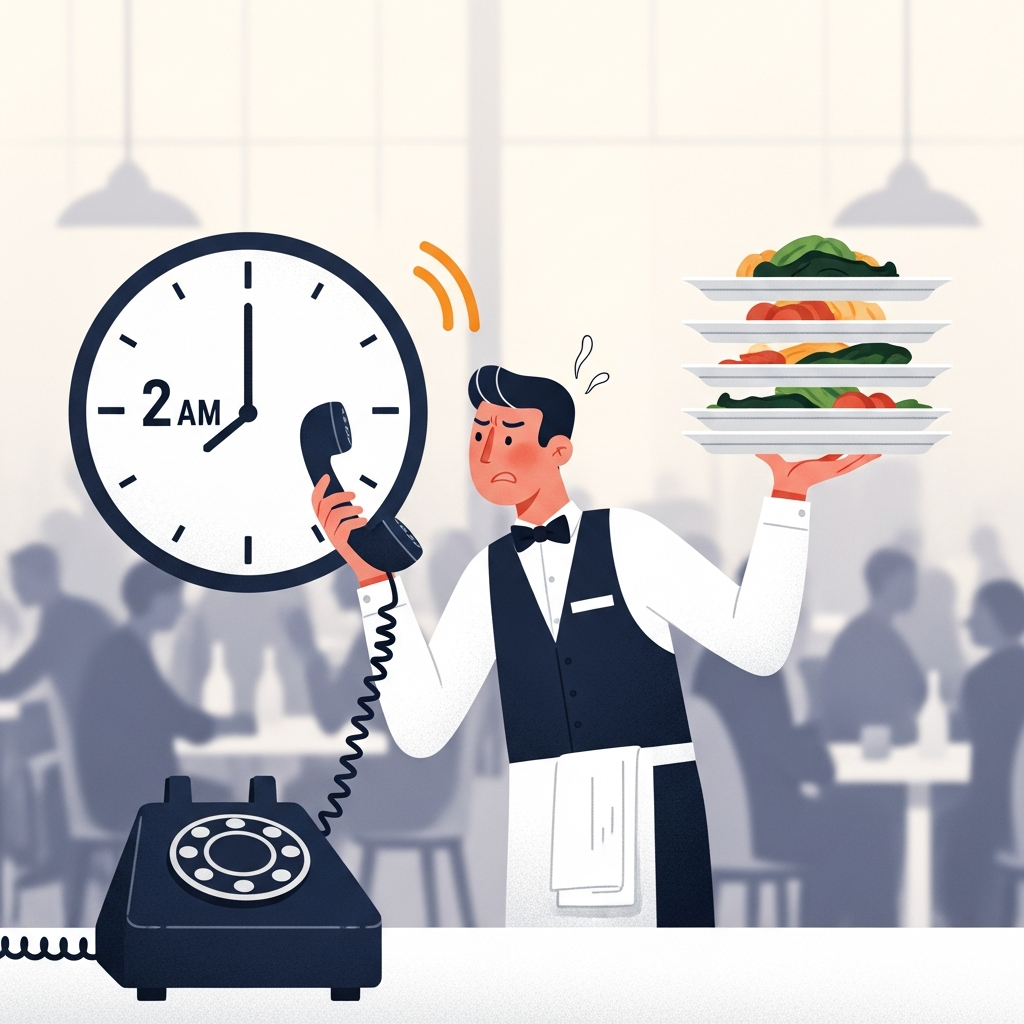
AI restaurant chatbots are designed to answer calls instantly at any time, even during high call volume. Whether someone's craving delivery at midnight or booking a table while your staff is slammed, the chatbot handles it without putting anyone on hold.
33% of customers prefer chatbots over phone calls to make restaurant bookings. They want speed and convenience, not voicemail or busy signals.
Taking orders over the phone used to mean juggling a notepad, repeating items back, and hoping nothing got lost in translation. Restaurant chatbots capture full orders with every modification, side, and special request.
The AI walks callers through the menu, confirms choices in real time, and sends complete tickets directly to your POS. Because chatbots can handle many simultaneous calls, restaurants dramatically reduce missed calls and busy signals.
Booking a table shouldn't require three phone calls and a voicemail. Restaurant chatbots let guests reserve, modify, or cancel tables anytime, syncing confirmations instantly to your reservation system.
The AI checks real-time availability, offers alternative time slots if needed, and sends immediate confirmation. When plans change, guests can adjust their reservation without waiting for someone to pick up.
This can help reduce no-shows by giving diners flexible self-service options and clear confirmations. Confirmed reservations flow directly into OpenTable or your existing reservation software, so your host stand always has the latest seating chart.
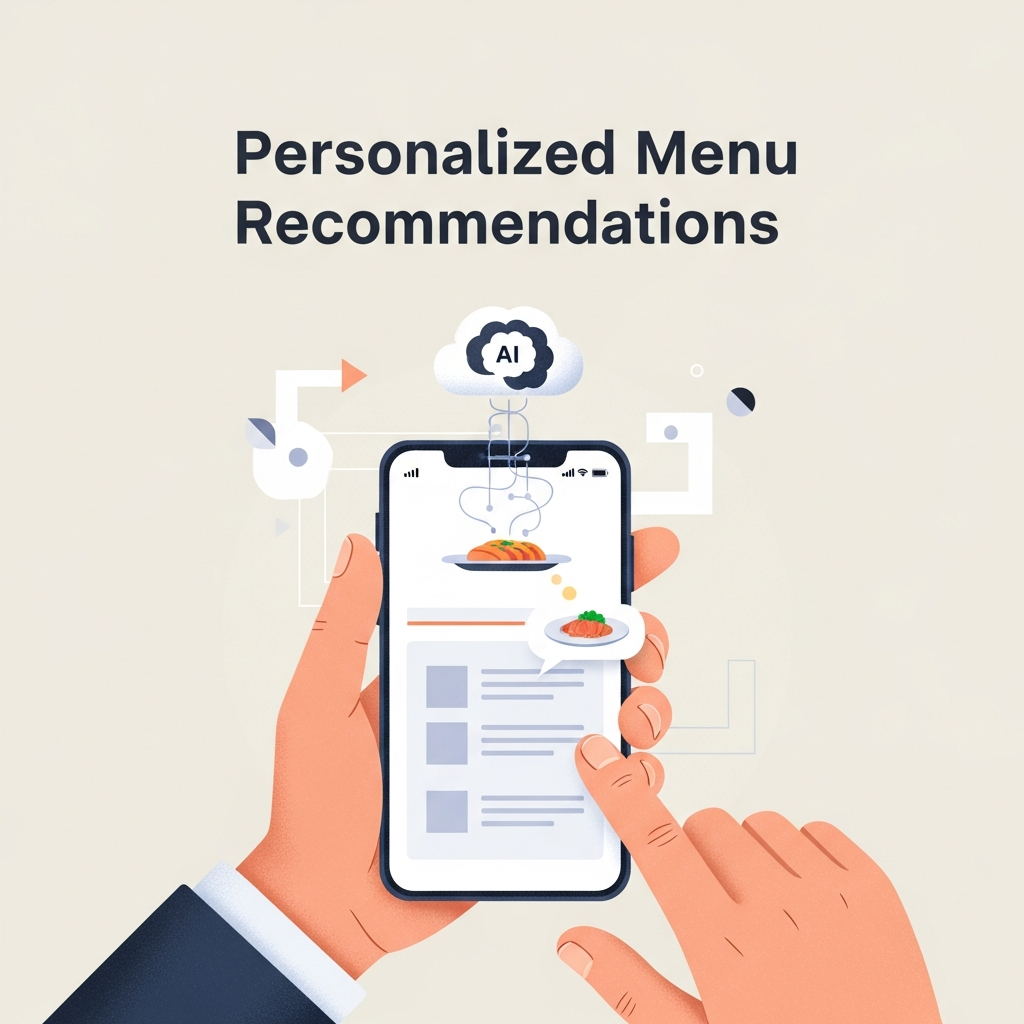
AI restaurant chatbots recognize repeat callers and reference order history to make relevant suggestions. When a customer calls back, the system pulls past orders to recommend similar items or new specials that match their preferences.
The AI learns dietary preferences, favorite combinations, and typical order sizes. It can avoid suggesting items that conflict with known preferences or past orders when that information is available and recommend items to customers who previously asked about specific allergens. A regular who orders spicy dishes hears about new hot wings, while someone with a standing veggie pizza order learns about seasonal mushroom specials that align with their taste.
"Where's my order?" calls flood phone lines during peak hours, pulling staff away from kitchen prep and table service. AI restaurant chatbots solve this by updating customers automatically as orders progress through each stage.
The chatbot shares up-to-date order status when guests call, based on POS and kitchen data: order confirmed, in the kitchen, out for delivery, or ready for pickup. Wait times can adjust based on POS data, prep-time rules, and current order volume to give customers more accurate ETAs.
This cuts anxious follow-up calls. Guests know exactly when to leave for pickup or when delivery will arrive, letting your team cook and serve instead of answering repetitive questions.
"Is this vegan?" "Do you have gluten-free options?" "What time do you close?" These questions drain staff time during rushes, but customers need answers before they order.
AI restaurant chatbots are configured with menu data, allergen information, hours, and policies so they can answer common questions quickly and consistently. When someone asks about dairy-free options or parking availability, the chatbot delivers accurate answers instantly without putting them on hold.
The system references your complete menu database and business info to handle questions about catering minimums, delivery radius, wait times, or directions. 64% of guests prefer digital ordering over speaking with staff, and chatbots provide that self-service experience by phone.
Your team stays focused on cooking and serving while the AI handles routine questions with consistent, predefined responses.
AI restaurant chatbots time their upsell suggestions to feel natural. After a customer orders a burger, the system suggests fries or an upgraded side. Pizza orders trigger prompts for wings or dessert.
These prompts mimic what your best servers do, catching add-ons guests want but might forget to order. Every caller gets the same smart suggestions at checkout, regardless of which staff member is working.
The chatbot never forgets to offer popular combinations or seasonal specials, turning every call into an opportunity to increase revenue without extra labor.
Restaurant chatbots request input right after delivery or pickup, when the experience is still fresh. The AI follows up with a quick call or message asking customers to rate their order and share comments.
This timing captures genuine reactions across all experiences. You receive structured data on satisfaction trends by menu item, order type, and time period. When several guests flag the same problem, like cold fries on weekend deliveries, you can tackle it before it spreads.
The automated collection gives your team actionable insights without interrupting service or manually requesting reviews.
AI restaurant chatbots handle conversations in multiple languages, switching based on each caller's preference. A Spanish-speaking customer orders in Spanish while an English speaker on the next call receives English service from the same system.
This removes the need for bilingual staff on every shift while serving diverse communities. The chatbot processes menu questions, order modifications, and payment in each customer's preferred language, making previously underserved communities more likely to order by phone.
Restaurant chatbots turn loyalty programs into automatic recognition during every customer interaction. The AI tracks order history and spending to apply rewards and deliver targeted offers in real time.
When a regular places their fifth order of the month, the chatbot applies the discount and mentions it during checkout. Customers who haven't ordered recently receive promotions on their favorite items when they call back.
This keeps your restaurant top-of-mind without manual tracking. The chatbot rewards loyalty during every conversation, increasing repeat visits and lifetime value.
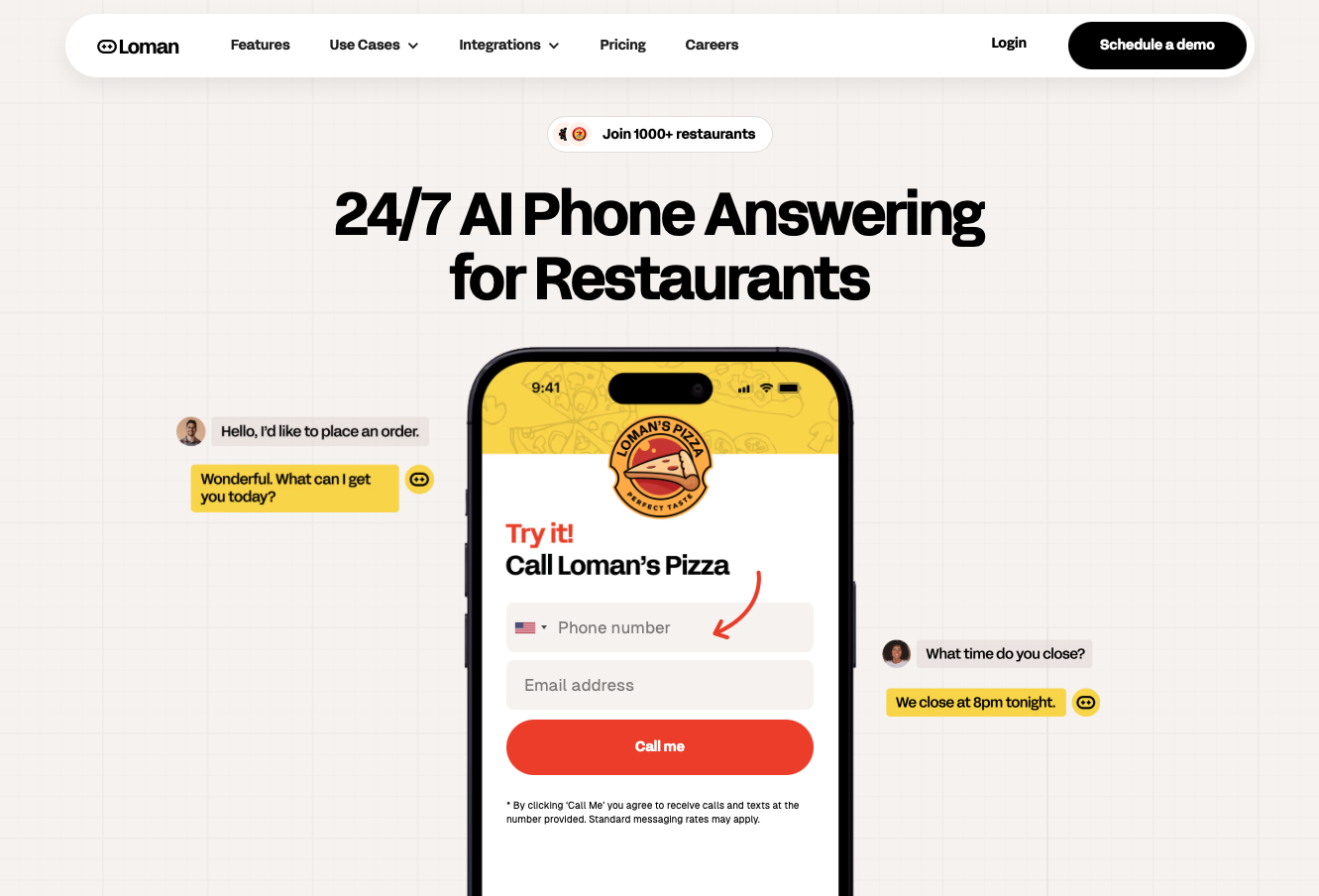
Many of the chatbot uses outlined above are already live inside Loman AI, a voice-based restaurant chatbot built to handle real phone traffic at scale.
Loman answers calls around the clock, takes full pickup and delivery orders, books reservations, responds to menu and policy questions, and sends tickets and supported payment data into connected POS and reservation systems like Toast, Square, Clover, and OpenTable.
It supports single-location restaurants, multi-unit groups, and national brands that want phone coverage without added staff, helping teams keep up with demand while callers get fast, reliable service.
The AI system can handle many simultaneous calls without busy signals or hold times, processing each conversation independently so every caller receives instant service even during peak hours.
Yes, the AI walks callers through the menu, captures every modification and special request, confirms choices in real time, and sends complete tickets directly to your POS system.
The AI detects when it needs human help and either transfers the call to a live line, captures a voicemail with a transcript, or sends a message with caller context for staff follow-up.
Most restaurants go live in under 24 hours after connecting their systems, importing menus, choosing greetings, and setting rules, with white-glove setup available for faster deployment.
Yes, the AI suggests relevant add-ons and popular combinations at natural moments during ordering, like offering fries with a burger or dessert with pizza, turning every call into an upsell opportunity without extra labor.
Restaurant chatbots are changing how phones fit into daily service. Calls get answered at any hour, orders and reservations move forward without delays, and routine questions stop pulling staff away from guests. Solutions like Loman apply these chatbot uses in real restaurant environments, handling high call volume while keeping tickets, bookings, and payments flowing into existing systems. Many restaurants start with call answering or order taking and expand as volume grows, but the direction is clear: chatbots such as Loman are becoming a practical way to keep up with demand without adding pressure to the floor.
Enter your information in the form to receive a call from Loman and place an order like a customer would!

